



Fiber Optic Linear Heat Detection for Long Tunnels and Metro Systems
Fiber Optic Linear Heat Detection for Long Tunnels and Metro Systems
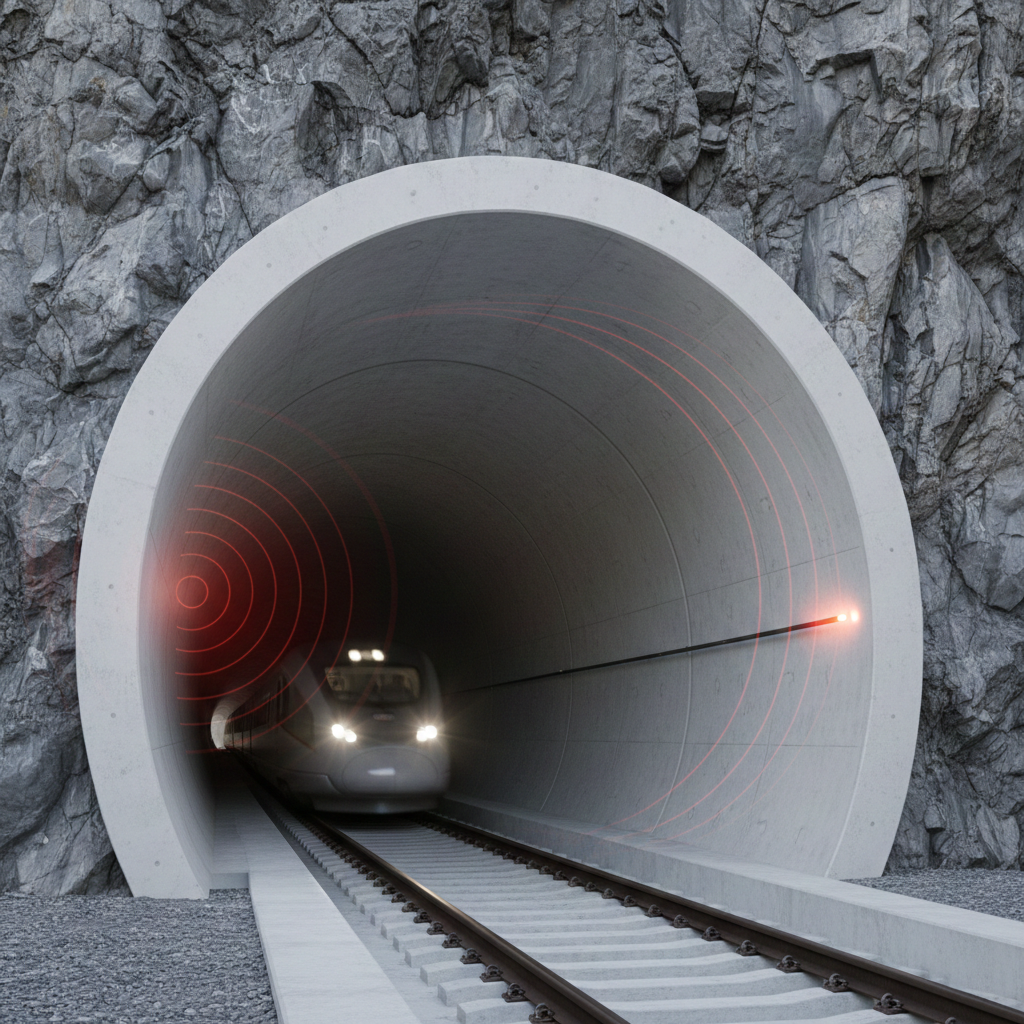
Long tunnels and metro systems represent one of the most demanding fire safety environments. Confined geometry, limited ventilation, and high passenger density mean that even a minor overheating event can escalate rapidly. In these environments, the real question is not simply whether a fire can be detected — it is whether it can be detected early enough and precisely enough to prevent escalation. This requirement has led operators toward continuous monitoring technologies such as Distributed Temperature Sensing (DTS), which enable temperature visibility along the entire length of the infrastructure rather than at isolated points. A modern tunnel fire detection system must therefore go beyond point-based measurement and provide continuous visibility along the entire infrastructure.
How Fire Risk Actually Begins in Tunnels
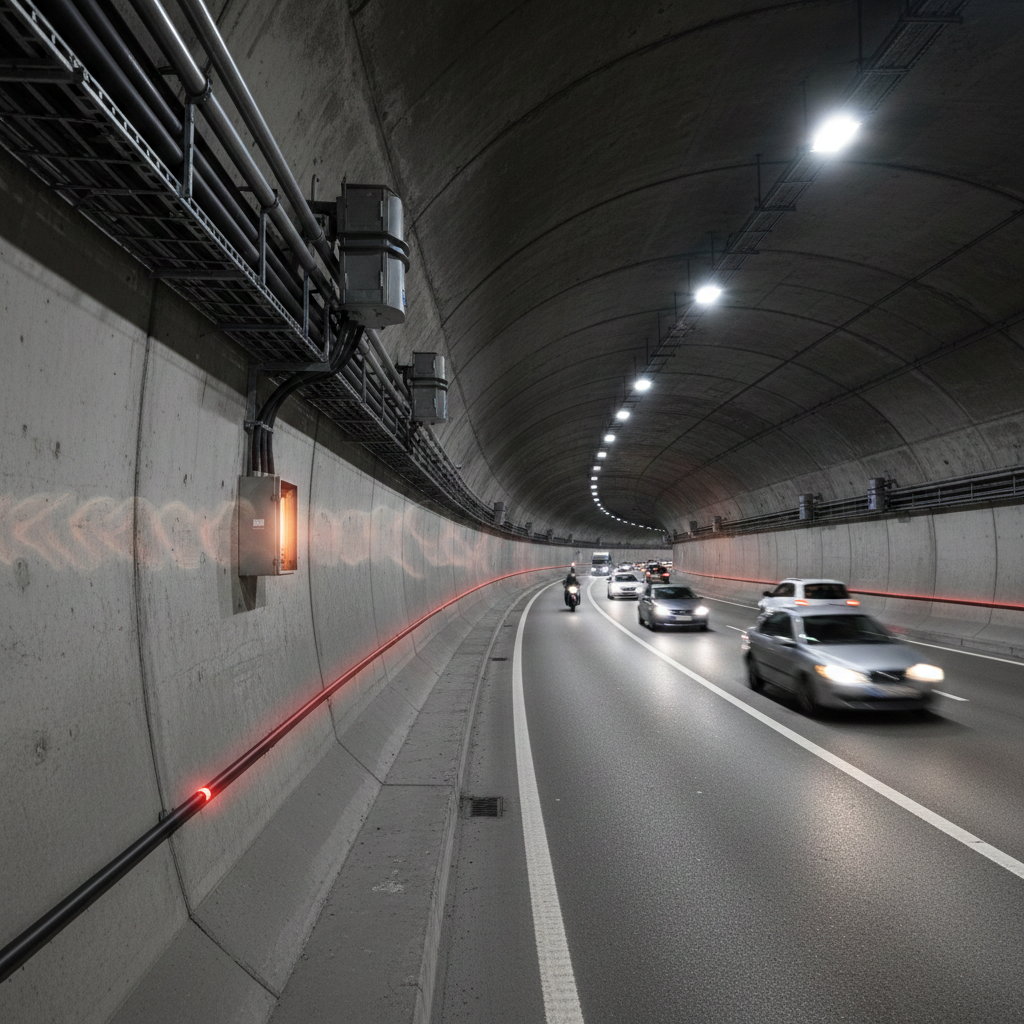
Tunnel fires rarely start with visible flames. In most cases, the process begins quietly. A power cable overheats locally. A short circuit develops inside a cable tray. Brake friction in rolling stock generates excessive heat. Electrical insulation gradually degrades. Long before smoke appears, these events manifest as thermal anomalies. If detection relies only on point sensors, large sections between sensors remain unmonitored. In long-distance tunnel infrastructure, these “blind spots” are often where risk develops unnoticed.
Why Conventional Systems May Fall Short
Traditional linear heat detection cable (LHD) solutions can sense heat along a predefined path, and point sensors measure temperature at fixed locations. However, in long tunnels, several limitations become evident: Temperature changes are only measured where sensors are installed, leaving gaps in between. Alarms are typically triggered only after predefined high thresholds are reached. A complete real-time thermal profile of the tunnel is not available. Location accuracy is often limited to zones rather than precise meter-level identification. In extended tunnel environments, what operators truly need is not just an alarm — but continuous temperature visibility.
How Fiber Optic Linear Heat Detection Makes the Difference
Distributed Temperature Sensing (DTS) transforms a fiber optic cable into a continuous heat detection system spanning kilometers. The FOTAS fiber optic fire detection system developed by SAMM Teknoloji uses Raman-based sensing principles to deliver: Real-time temperature sensing across the tunnel Meter-level pinpoint heat location detection Long-distance tunnel temperature sensing capability Multi-zone heat detection configuration along a single fiber line Instead of simply indicating that “a fire exists,” the system identifies exactly where the thermal anomaly occurs and how it evolves over time. This level of precision directly impacts response time in metro and road tunnel environments.


What This Means for Tunnel Operators
Fiber optic linear heat detection is not merely a technology upgrade — it addresses a structural risk. By implementing a continuous heat detection system, operators eliminate blind spots, reduce detection delay, and enable earlier intervention before a thermal event develops into a full-scale fire. In metro systems, even a short operational shutdown can result in significant economic losses and reputational impact. Therefore, the value of such systems extends beyond safety — it supports operational continuity.
Why Fiber Optic Temperature Monitoring Is Increasingly Preferred
Long tunnels and metro systems present several technical challenges:
- High electromagnetic interference (EMI) from power infrastructure
- Extended distances requiring scalable solutions
- Strict regulatory and safety expectations
- Increasing electrical load and infrastructure complexity
A fiber optic temperature monitoring system is immune to electromagnetic interference and operates reliably in harsh tunnel environments. This makes it particularly suitable for high-risk area fire protection.
From Reactive Detection to Predictive Fire Maintenance
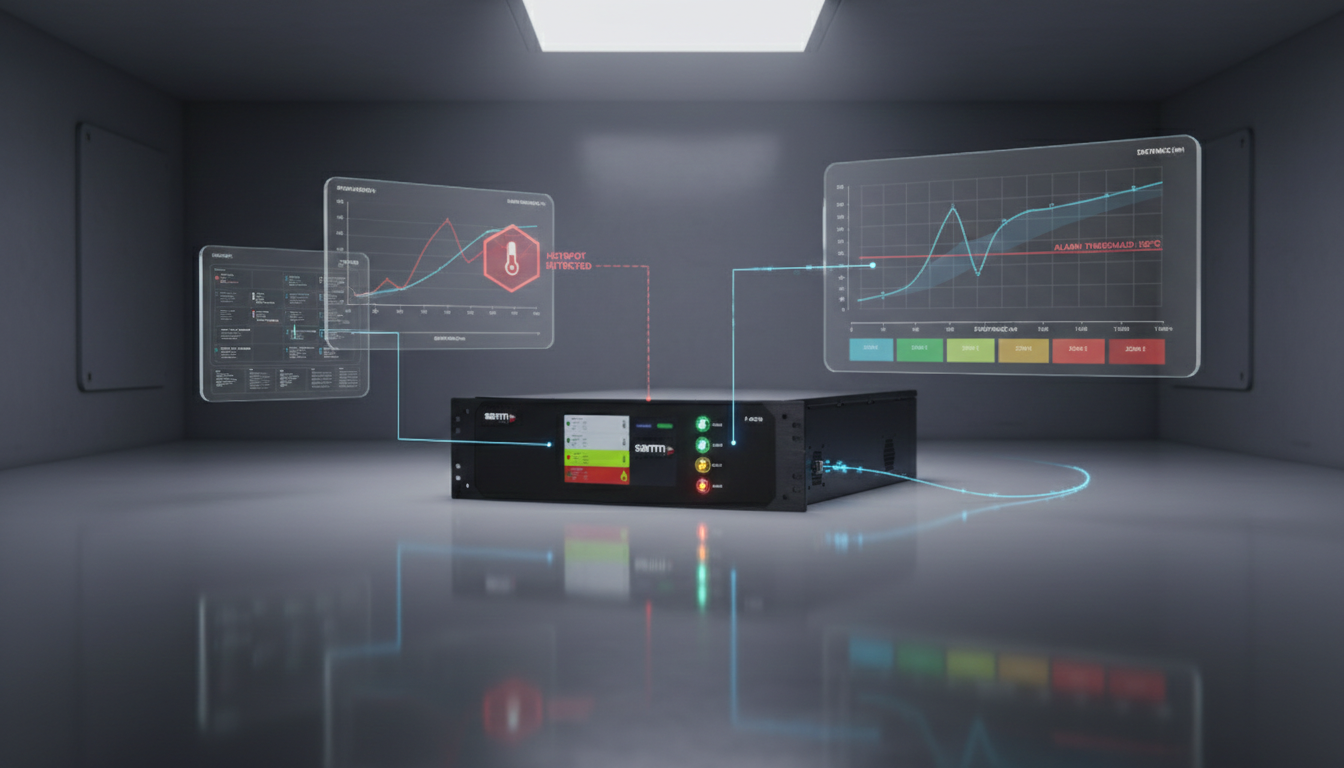
Modern tunnel safety is evolving from reactive fire response toward predictive risk management. With continuous monitoring, temperature rate-of-rise analysis becomes possible. Alarm thresholds can be configured by zone. Thermal trends can be evaluated before ignition occurs. The FOTAS system enables early fire detection technology that allows operators to act on anomalies rather than react to flames.
Conclusion
Fire risk in long tunnels cannot be eliminated — but it can be detected early, located precisely, and managed effectively. SAMM Teknoloji’s FOTAS solution provides fiber optic linear heat detection engineered specifically for tunnel and metro environments. By delivering continuous temperature profiling and accurate thermal event localization, it strengthens both safety performance and operational resilience. If your existing tunnel fire detection system relies on segmented or point-based monitoring, evaluating a continuous DTS-based approach may be a strategic next step.