


Increasing Thermal Loads
High computing density increases heat generation and places additional stress on cooling systems, power cables, busways and electrical connections.

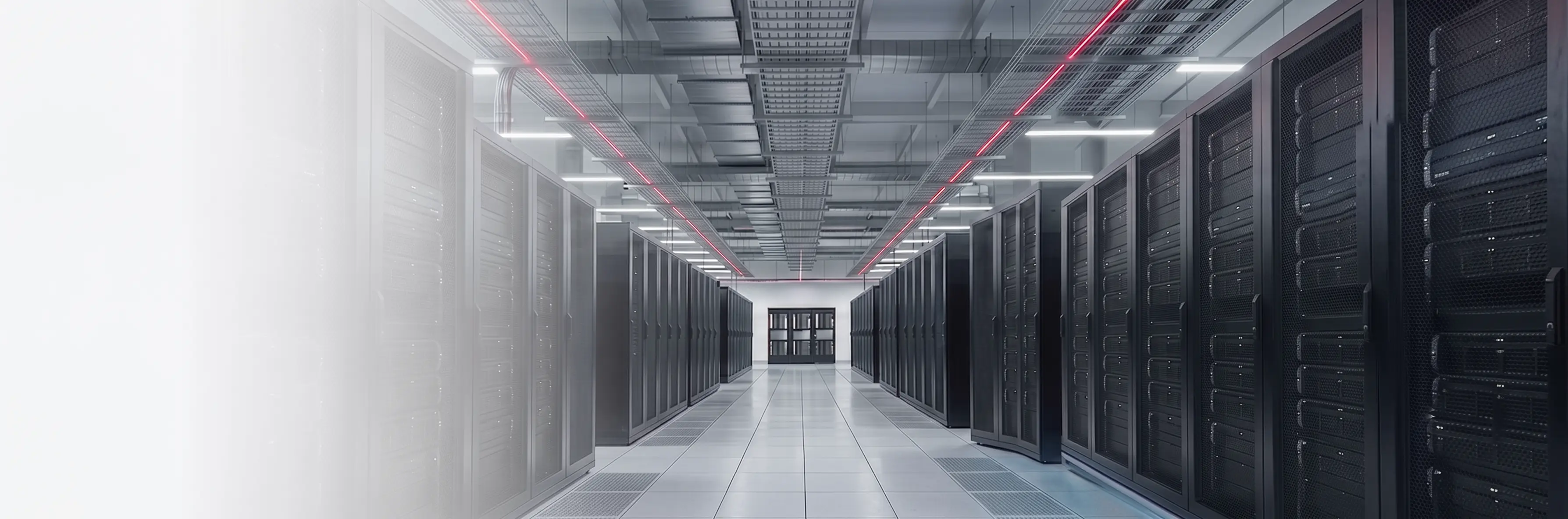
Fiber optic monitoring for thermal safety, cooling and infrastructure security.
EXPLORE DATA CENTER MONITORINGData centers depend on uninterrupted power, effective cooling and secure connectivity. Higher rack densities and growing use of UPS and battery systems place greater pressure on the facility.
A localized hot spot, cooling imbalance or cable fault may affect service availability before it becomes visible during routine inspection. Risks also extend to site boundaries and external fiber routes.
FOTAS combines Distributed Temperature Sensing (DTS) and Distributed Acoustic Sensing (DAS) for continuous data center monitoring. DTS provides thermal monitoring and linear heat detection; DAS protects perimeters and cable routes against intrusion, excavation and physical interference. Each technology may operate independently or within one integrated architecture.
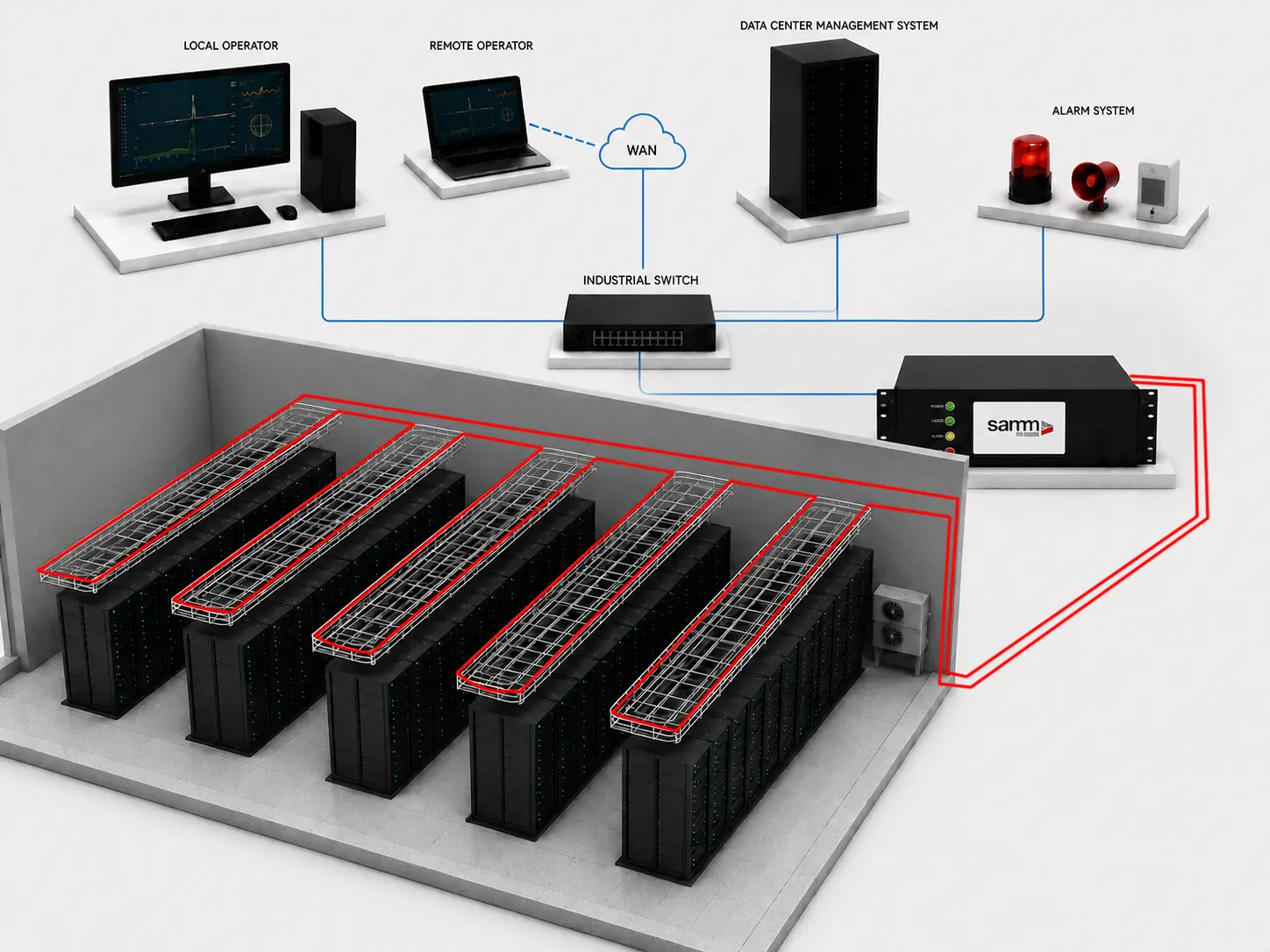
Data center infrastructure combines high electrical loads, dense cable routes, cooling systems and strict security requirements within one high-availability environment.
High computing density increases heat generation and places additional stress on cooling systems, power cables, busways and electrical connections.
UPS systems, battery enclosures, cable terminations and high-load equipment may develop abnormal heating before a visible fault occurs.
Power and communication cables run beneath raised floors, above server aisles, and through trays, ducts and external corridors.
Uneven airflow creates isolated hot zones, while perimeters and external fiber routes remain exposed to digging, tampering and unauthorized activity.
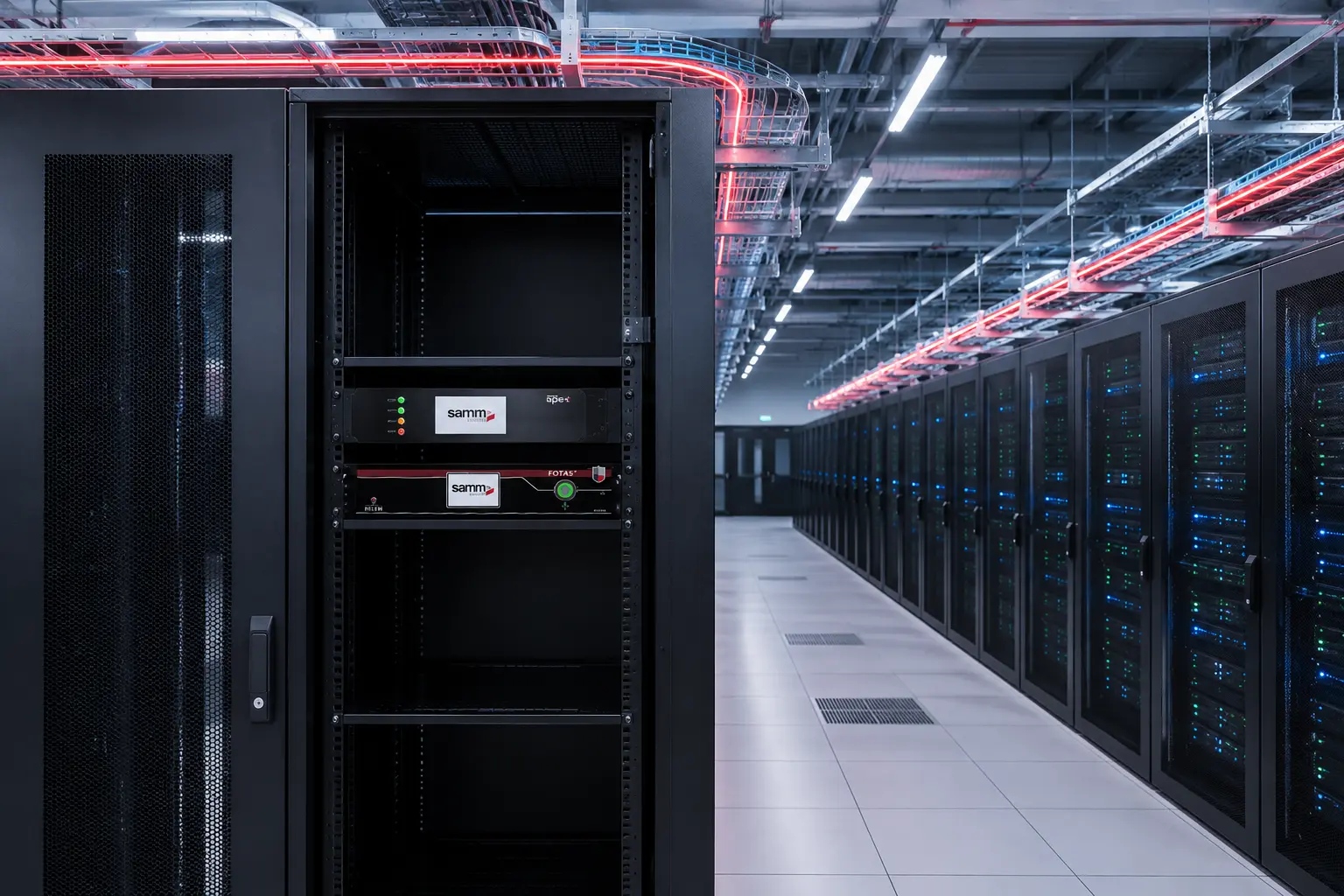
FOTAS DTS uses optical fiber as a continuous linear temperature sensor. The control unit sends laser pulses through the fiber and analyzes Raman backscatter to calculate temperature along the monitored route.
The system measures thermal behavior across the whole sensing path rather than only at isolated points. Alarm zones, temperature thresholds and rate-of-rise criteria are configured according to rooms, equipment groups or risk areas.
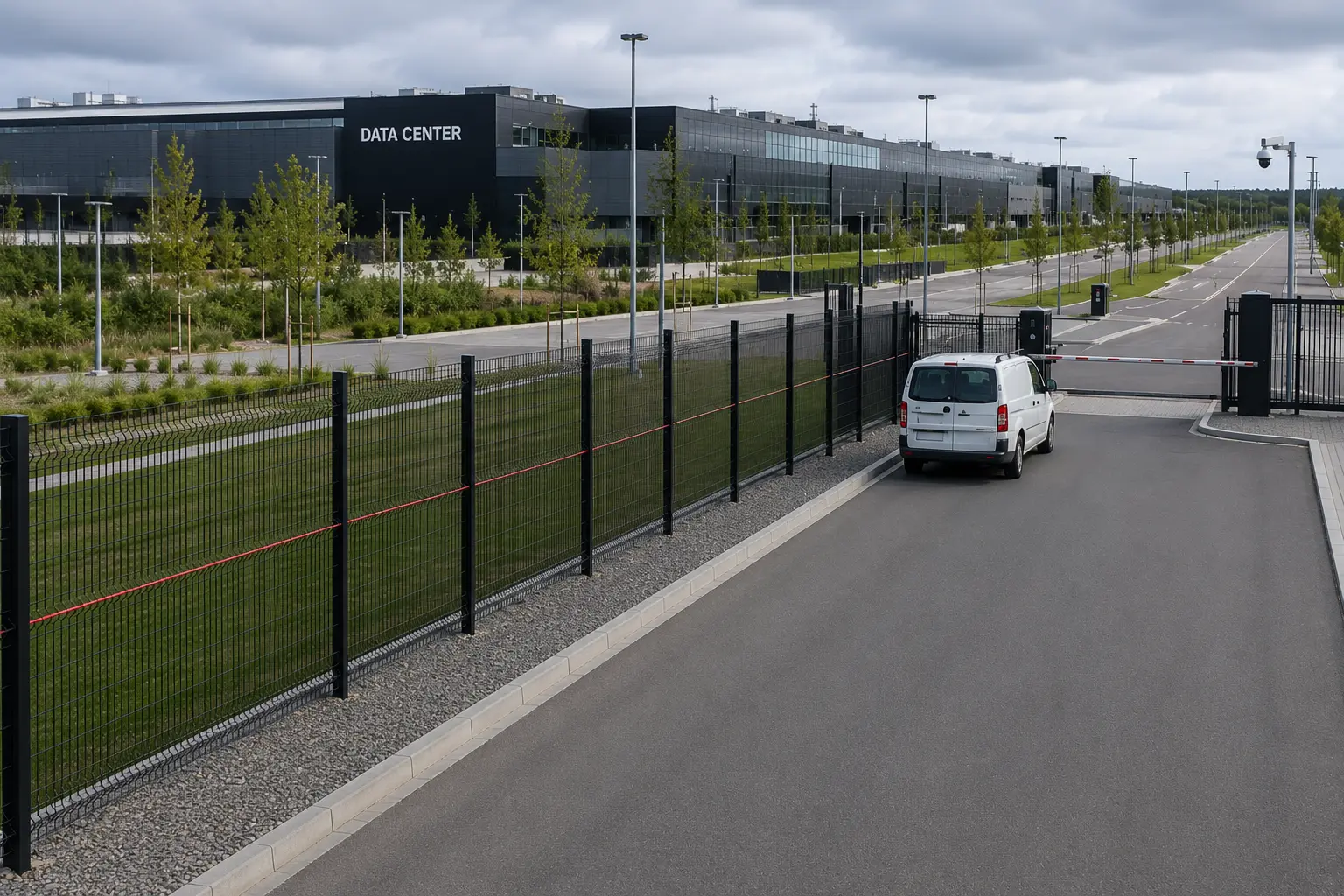
FOTAS DAS turns optical fiber into a distributed acoustic and vibration sensor. It detects disturbances associated with intrusion, excavation, mechanical impact and unauthorized activity.
In data center environments, DAS is installed along perimeter fences, buried approach zones, external fiber corridors and protected utility routes. FOTAS AI-based analytics classify patterns such as digging, vehicle movement, fence climbing and cutting, while filtering environmental noise that may cause nuisance alarms.
A typical deployment includes sensing fiber installed across thermal assets, cable routes or security zones. DTS and DAS control units remain in a protected technical room or control center, where analytics and alarm software process the data.
Cable selection, routing, mechanical protection, thermal coupling, alarm zoning and redundancy are defined during the design stage.
Measurement range, channel configuration and location performance depend on the selected FOTAS model and project requirements.
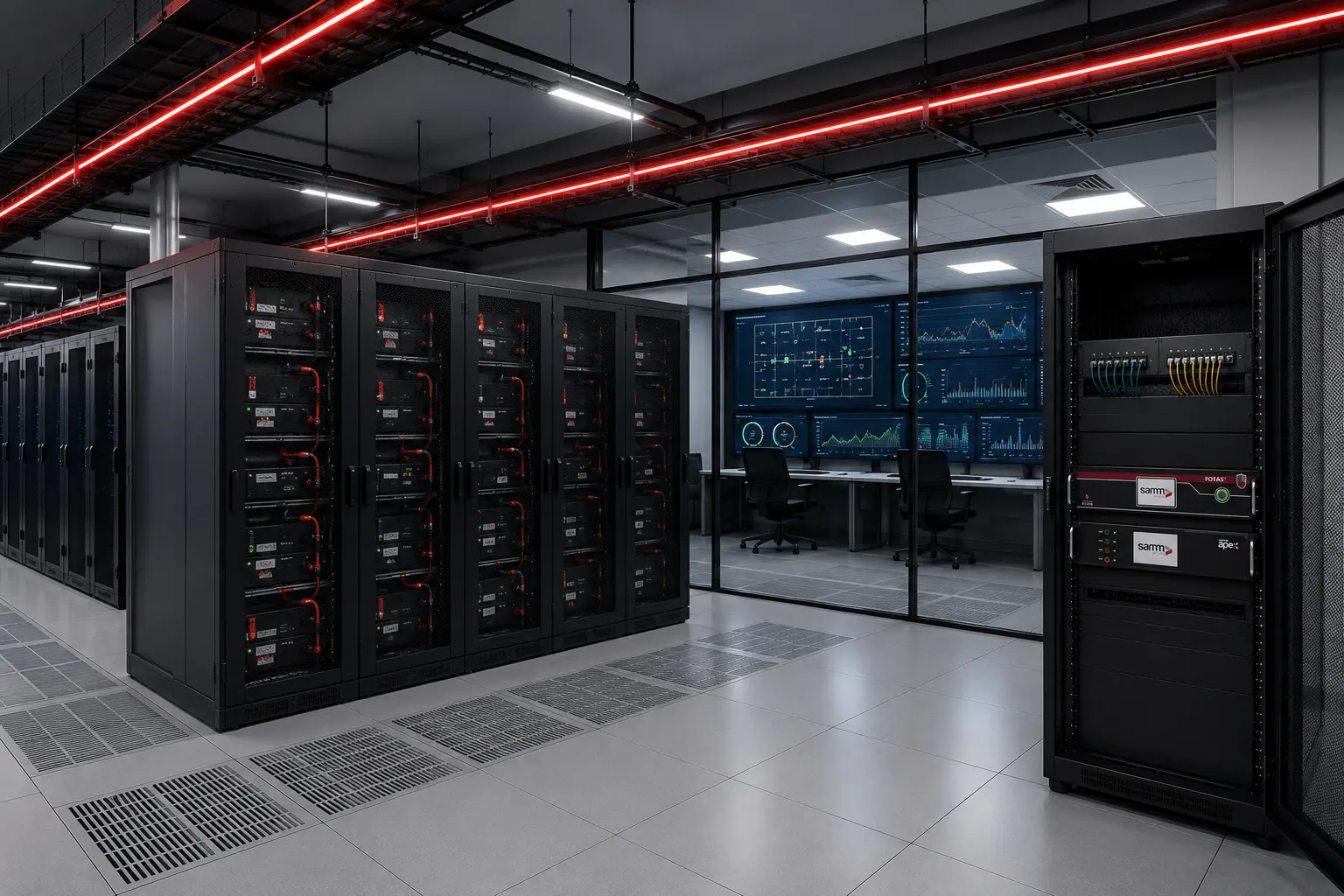
The sensing fiber is passive, so it needs no electrical power along the monitored route — and optical measurement makes the cable immune to electromagnetic interference.
Fiber sensing operates reliably around busways, high-current cables, UPS systems and battery rooms.
DTS and DAS control units stay in protected technical locations rather than along the sensing route.
Identifies temperature anomalies between isolated monitoring points and across extended cable routes.
Directs maintenance or security teams toward the affected infrastructure section.
Thermal events and physical disturbances surface through existing facility and security platforms.
See how DTS and DAS are engineered together for a complete data center monitoring architecture.
Technology guide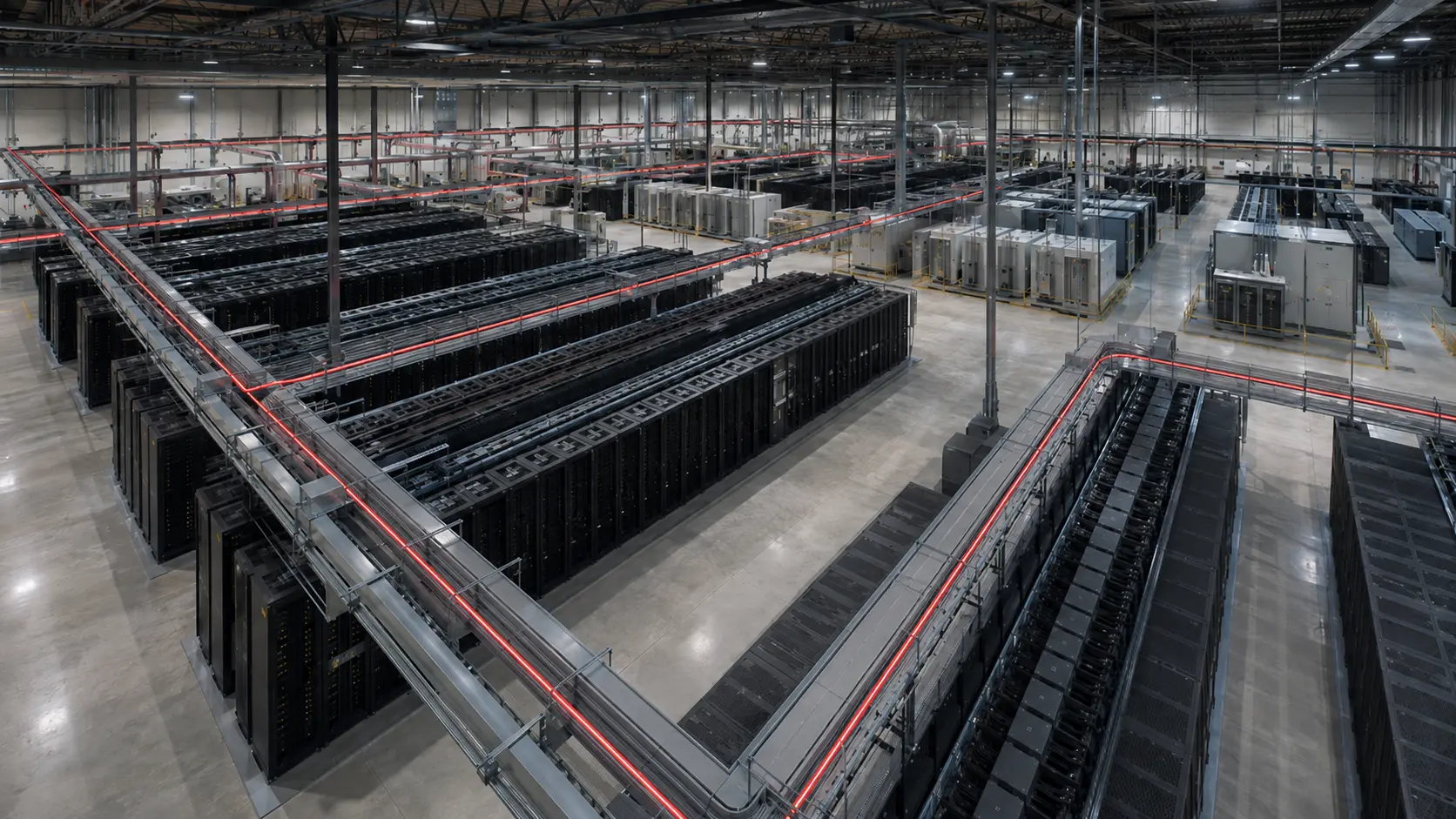
Talk to our engineering team about a FOTAS DTS or DAS configuration designed for your data center, cable infrastructure or secure facility.