


Measure
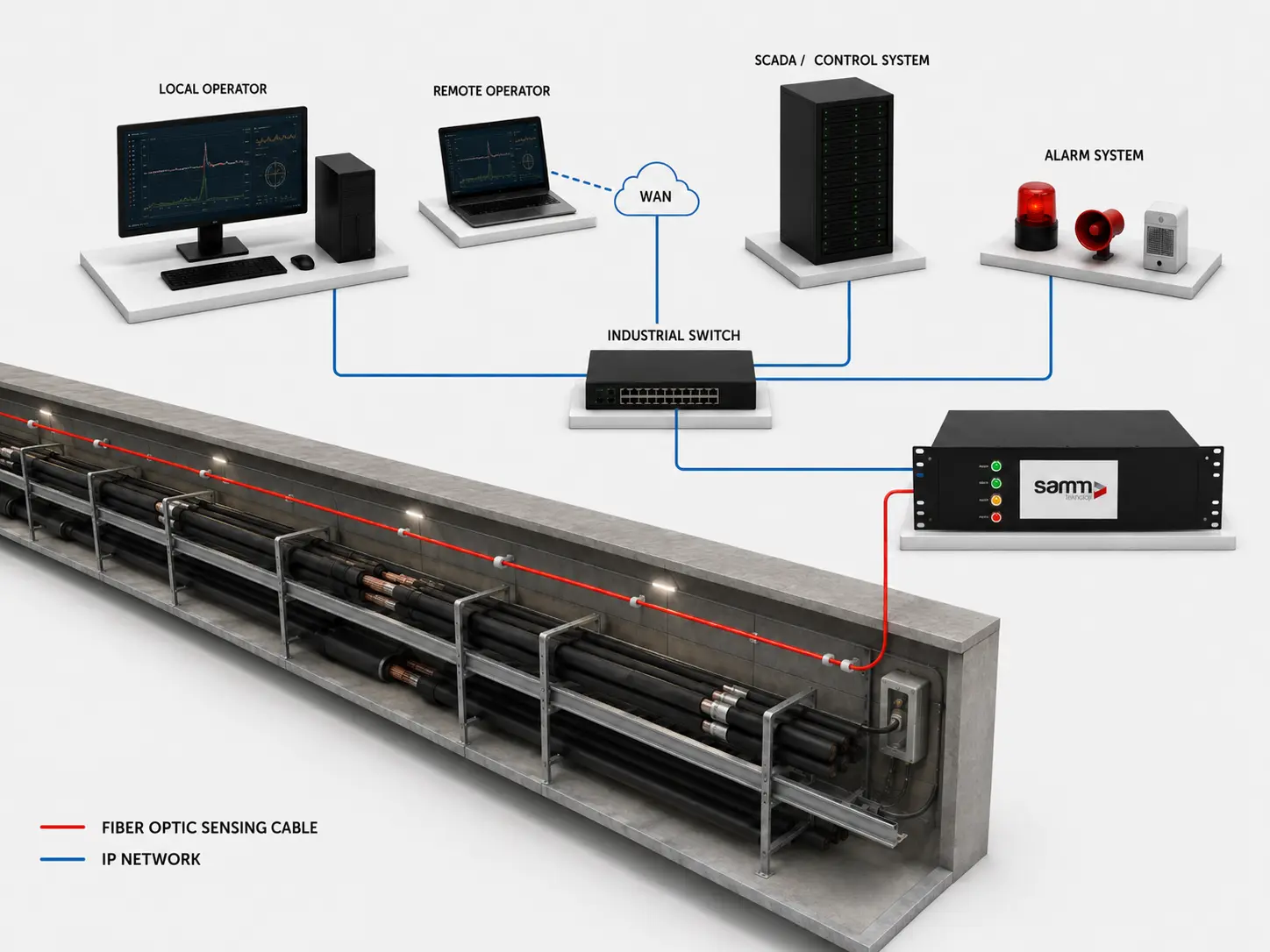
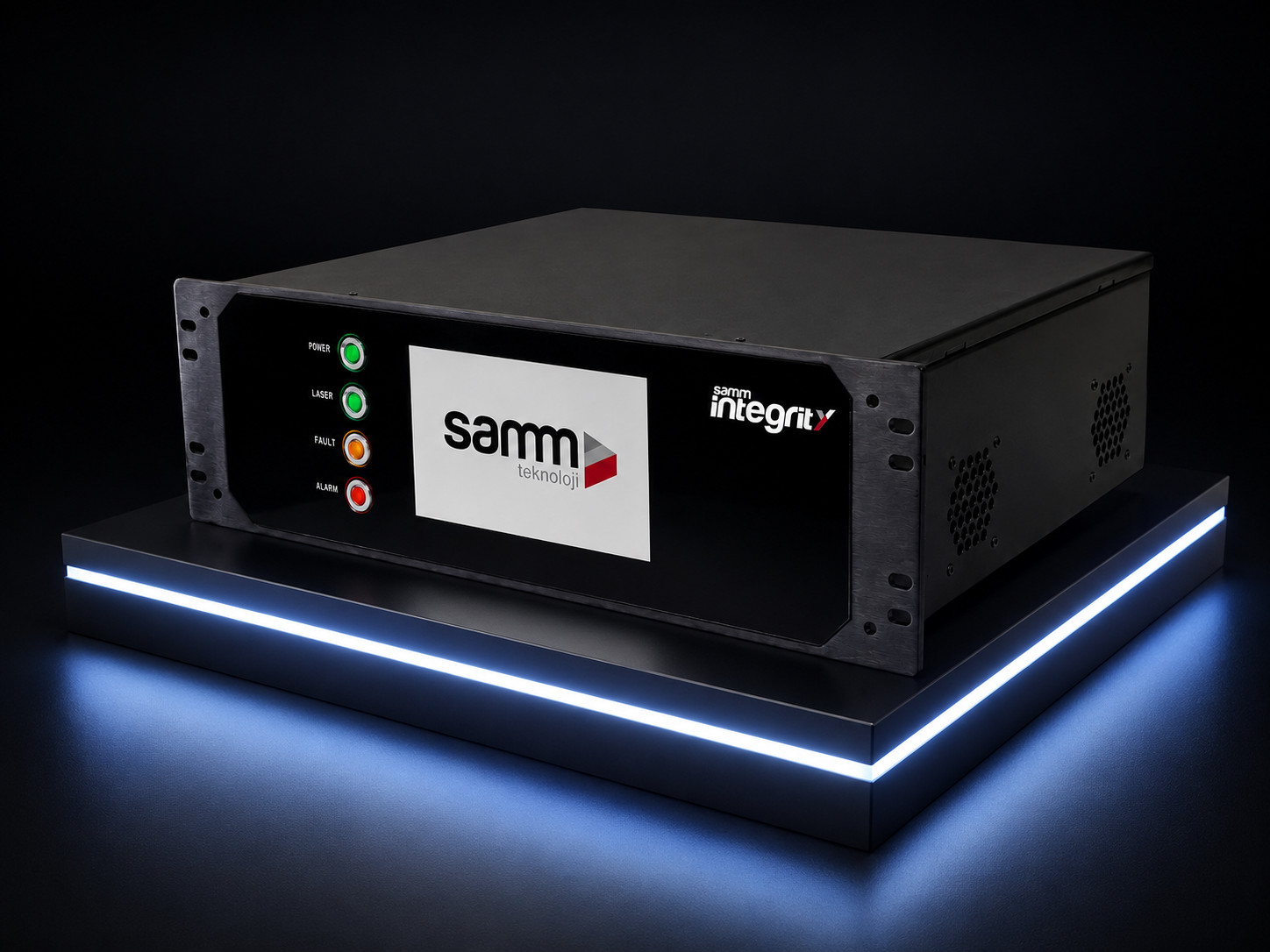
The DTS interrogator sends laser pulses through the fiber and analyzes Raman backscatter to calculate temperature at defined positions.

Turning distributed temperature data into thermal profiles, trends and location information for asset integrity and maintenance planning.
REQUEST A QUOTEElectrical loading, mechanical friction, cooling problems, insulation degradation and process changes can alter the thermal behavior of critical assets.
Fiber optic condition monitoring uses Distributed Temperature Sensing (DTS) to generate a temperature profile along an installed sensing cable. FOTAS INTEGRITY uses this distributed data to support asset integrity monitoring, maintenance planning and operational assessment.
Current measurements can be evaluated together with historical trends, operating ranges, equipment load and zone-specific criteria. This helps teams identify sections that require inspection without relying only on isolated temperature measurement points.
The value of condition monitoring comes from observing how temperature develops across the asset and over time.
The DTS interrogator sends laser pulses through the fiber and analyzes Raman backscatter to calculate temperature at defined positions.
Temperature data is displayed as a longitudinal thermal profile and divided into practical monitoring zones.
Current conditions can be compared with historical trends, operating baselines and configured alarm criteria.
Location and trend information help maintenance teams focus inspection on the relevant section of the asset.
Learn how Raman backscatter and time-of-flight analysis produce spatially resolved temperature information.
Monitoring objectives vary according to the equipment, operating conditions and relationship between the sensing cable and the asset.
| Monitored Asset | Relevant Thermal Conditions | Monitoring Contribution |
|---|---|---|
| Power Cables | Load-related heating, joints, terminations, insulation condition and environmental effects | Thermal profiling, hot spot investigation, maintenance planning and cable rating support |
| Conveyor Systems | Roller and bearing heating, belt friction, misalignment, drive conditions and material buildup | Route-based monitoring of extended conveyor sections and selected components |
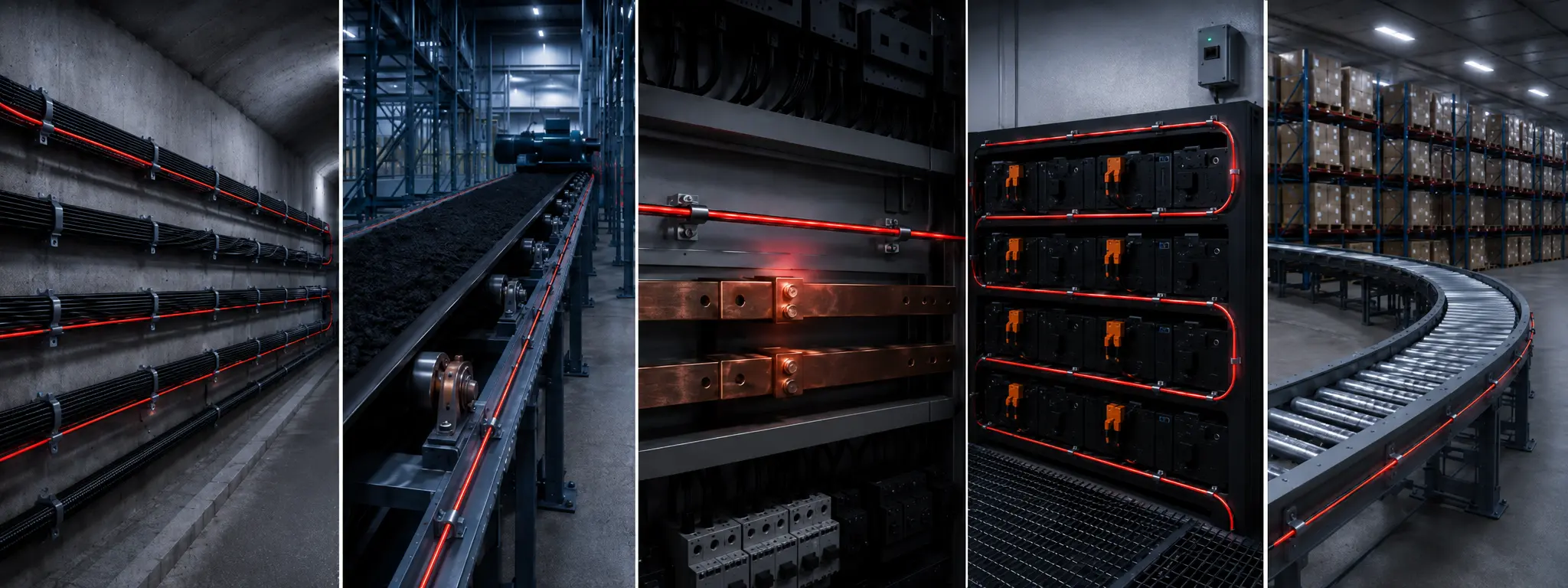
| Busbars and Switchgear | Abnormal heating around connections, junctions and high-current equipment | Identification and localization of sections requiring further inspection |
| Machinery and Process Equipment | Temperature changes around motors, compressors, bearings, hydraulic systems and production equipment | Trend comparison where cable placement provides useful thermal exposure |
| Warehousing and Logistics | Conveyors, charging areas, cold storage, automation equipment and electrical routes | Zone-based profiling and identification of localized temperature deviations |
| Battery and Energy Systems | Temperature distribution around racks, power interfaces, cable connections and cooling paths | Independent thermal profiling that can support investigation of localized heat buildup or cooling imbalance |
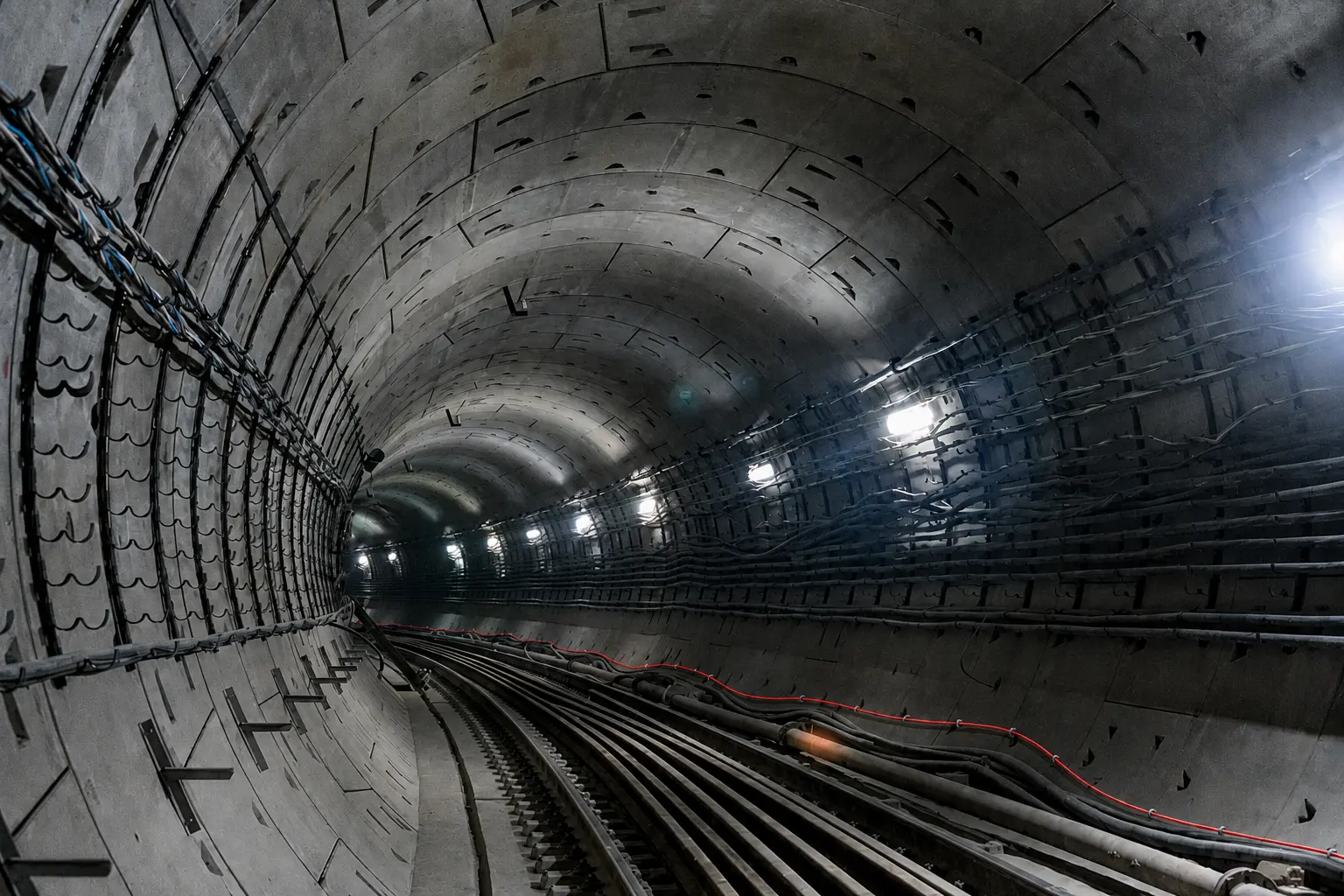
Temperature is a key operating parameter for power cables, joints, terminations and other high-current connections. Load, soil conditions, cooling performance, installation method and aging can influence heat dissipation.
DTS can be applied along underground and subsea cables, cable tunnels, trays and ducts, busbars, switchgear, transformer connections, substations and UPS systems.
DTS data may also support Real-Time Thermal Rating or Dynamic Cable Rating when combined with the necessary electrical, environmental and engineering models.
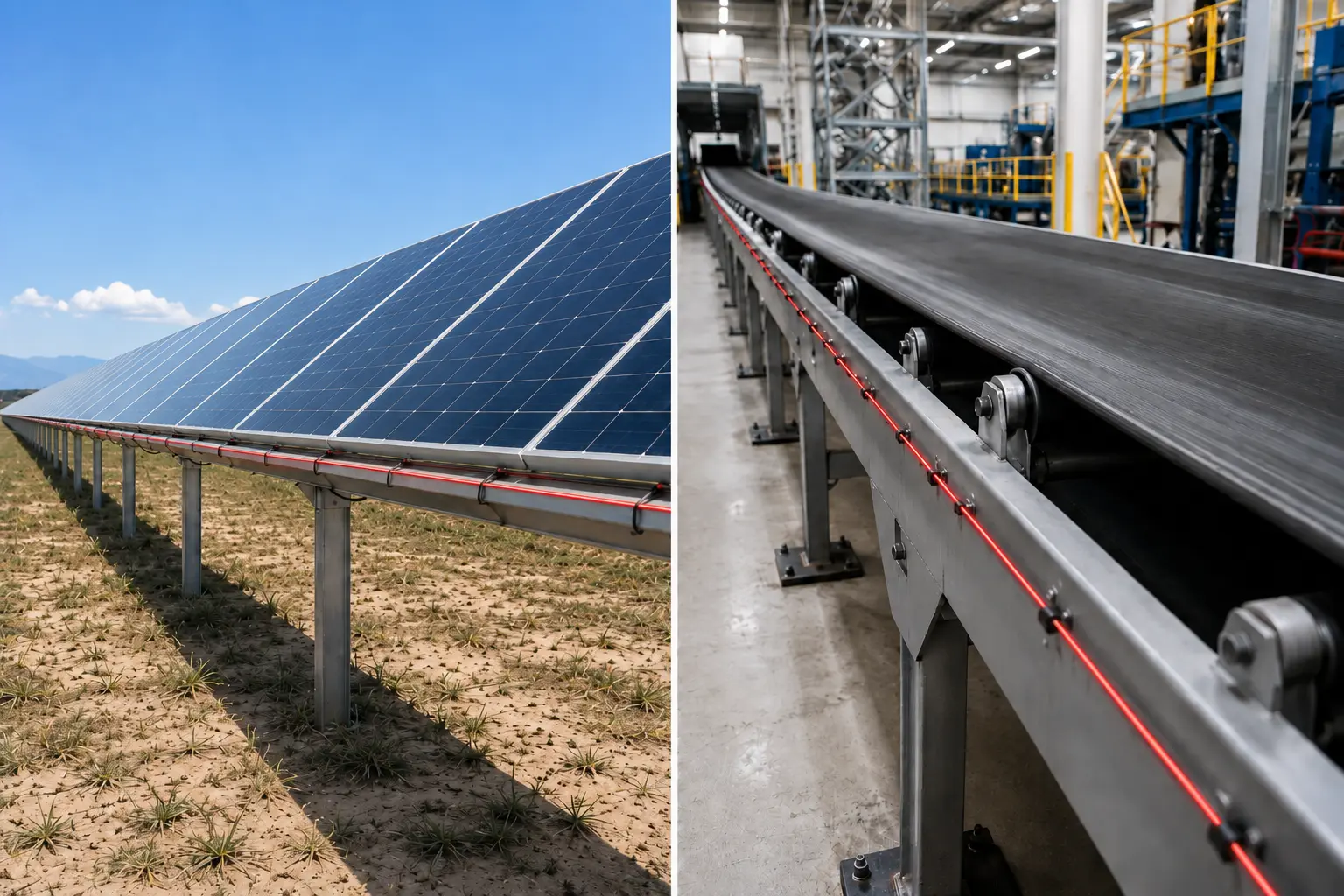
Conveyor systems often operate in dusty, humid, vibration-intensive or difficult-to-access areas. Abnormal heat can develop around rollers, bearings, pulleys, drive systems, friction points, belt misalignment or accumulated material.
The sensing cable may follow the carrying side, return path, support structure or selected idlers and drive stations. Cable routing must provide thermal exposure while limiting abrasion, crushing and mechanical damage.
Within manufacturing and processing facilities, the same approach can be applied around selected motors, compressors, hydraulic equipment, production machinery, electrical infrastructure and utility corridors.
Overheating is only one condition. Cooling performance and localized temperature deviations may also be relevant.
DTS can support monitoring of conveyors, sorting systems, charging areas, cable routes and selected roof or utility infrastructure.
Distributed temperature profiles can help identify localized deviations and support evaluation of cooling performance across monitored zones.
The sensing cable may be installed around racks, power connections, enclosures and cooling paths to provide an additional thermal view of the installation.
FOTAS INTEGRITY can provide thermal profiles, historical trends, monitoring zones, event information and asset-location references to connected operational platforms.
Depending on the approved configuration, integration may include:
Maintenance decisions combine DTS information with equipment limits, process data, electrical loading and supporting diagnostic methods.
FOTAS INTEGRITY is a Distributed Temperature Sensing platform developed for continuous condition monitoring and asset integrity applications.
Depending on the approved product configuration, available functions may include:
The final configuration is defined by the monitored asset, expected thermal behavior, sensing cable installation, required interfaces and verified FOTAS INTEGRITY performance.
Thermal information along the complete installed sensing route rather than only selected measurement points.
Evaluate how temperature develops over time instead of relying only on fixed threshold alarms.
Identify which section of the asset requires inspection along extended routes.
Use measured thermal data to prioritize inspection and maintenance activities.
The sensing cable requires no electrical power along the monitored asset.
Connect thermal information to SCADA, DCS and asset management platforms.
Evaluate monitored assets, sensing cable placement, thermal zones and system integration with the FOTAS engineering team.