


Perimeter Intrusion
Fence climbing, cutting, lifting and tampering around restricted facilities and secure operational zones.

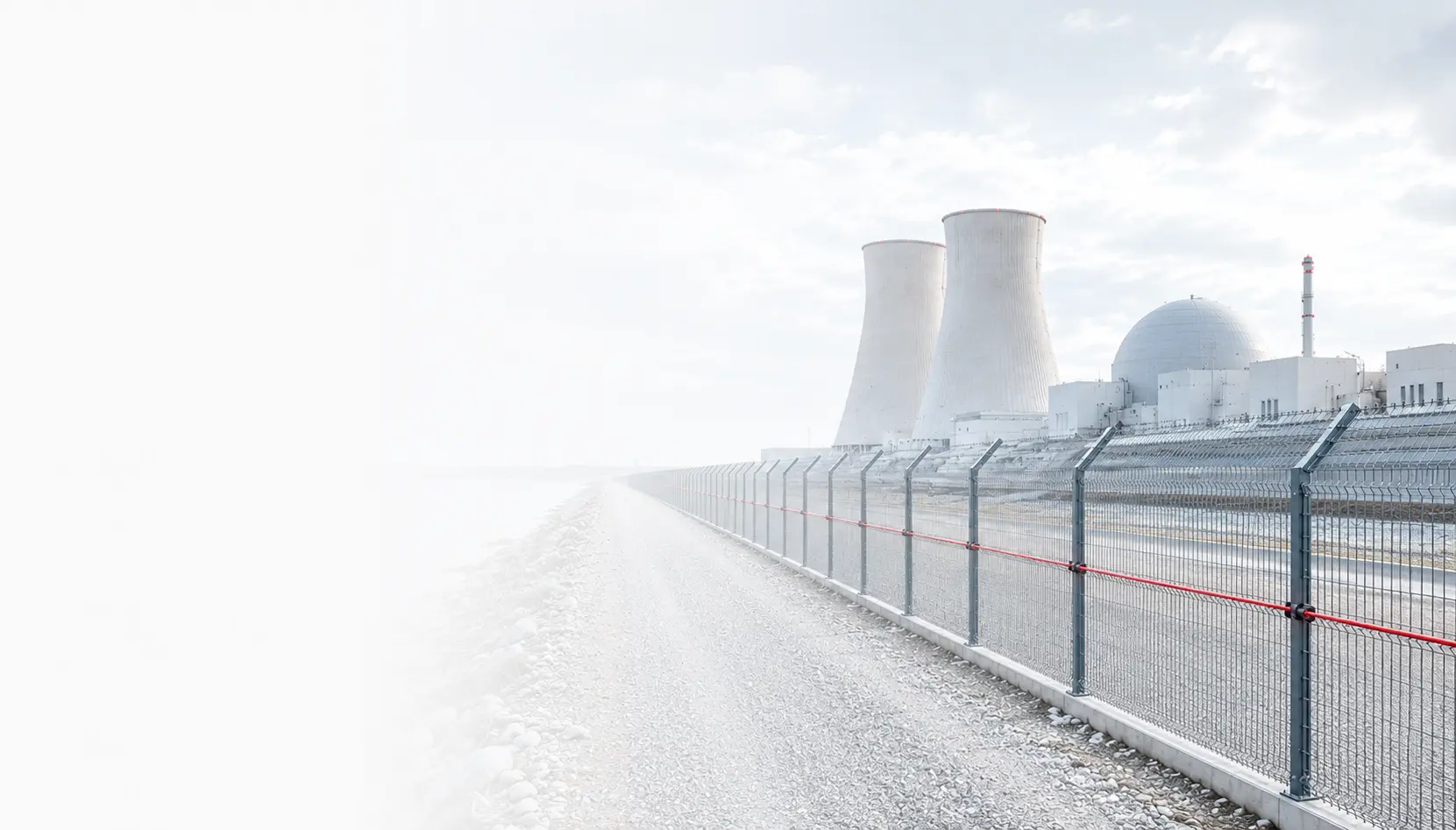
Fiber Optic Monitoring for High-Security Facilities, Utilities, Transport Hubs and Underground Assets
Critical infrastructure is rarely protected by a single system. Airports, seaports, substations, government facilities, data centers and major utility sites combine restricted perimeters with underground routes, tunnels and operational areas.
A security breach or unauthorized access may interrupt an essential service, requiring continuous and reliable monitoring across vast areas.
FOTAS provides Distributed Acoustic Sensing (DAS) for perimeter, boundary and critical infrastructure route security.
The technology can operate independently or connect seamlessly to your existing command, safety and facility management environment.
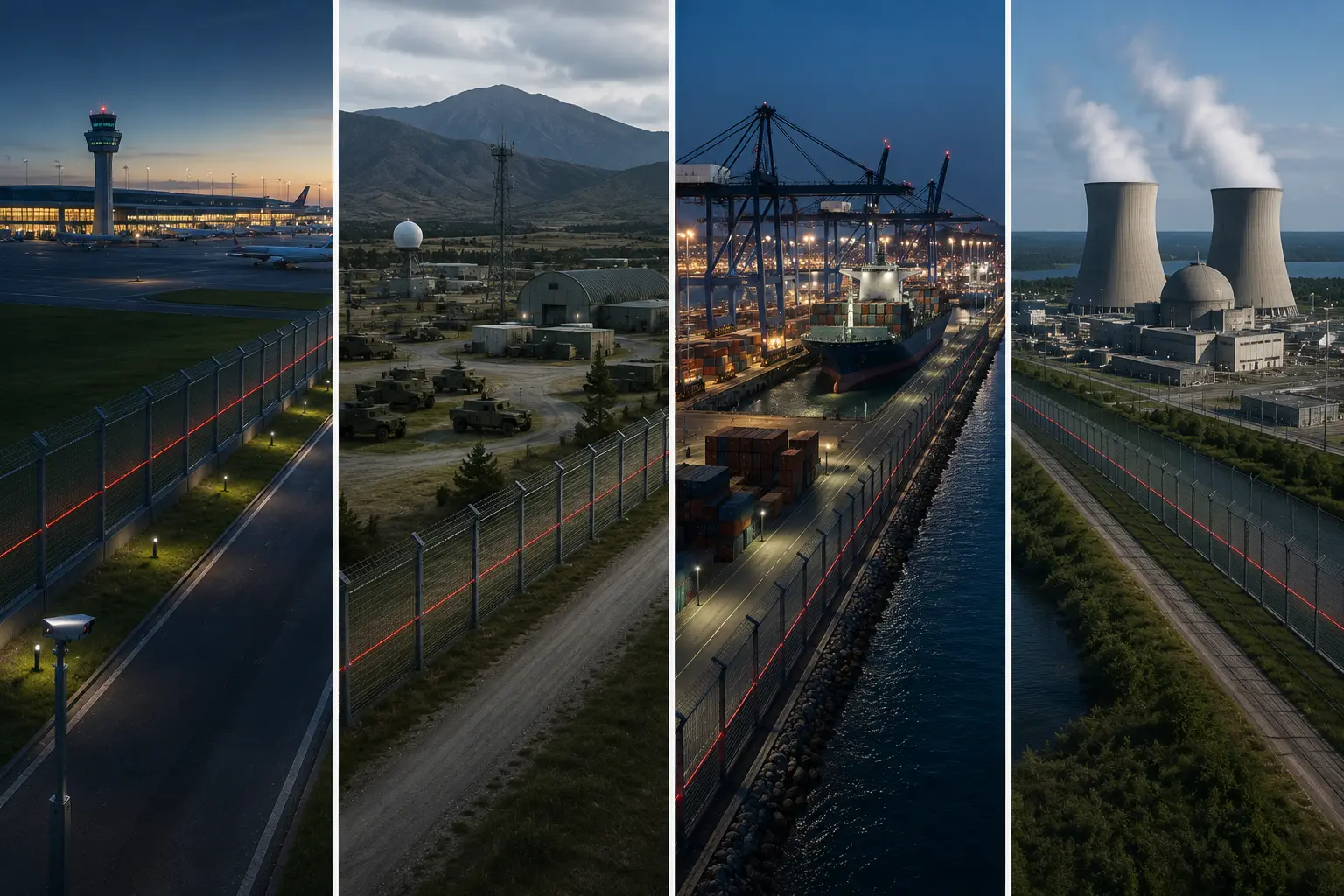
Critical sites often cover large areas, include difficult terrain and operate with limited tolerance for disruption.
Cameras, radar, access control and point detectors remain essential, but isolated devices may leave gaps along extended boundaries and infrastructure routes.
Fence climbing, cutting, lifting and tampering around restricted facilities and secure operational zones.
Pedestrian and vehicle movement near remote boundaries, buffer zones and critical access corridors.
Excavation, ground disturbance and underground activity near protected boundaries and buried infrastructure.
Terminals, storage zones, service spaces and automated systems that require continuous monitoring without interrupting operations.
Distributed acoustic and vibration monitoring across fences, buried zones and protected infrastructure routes.
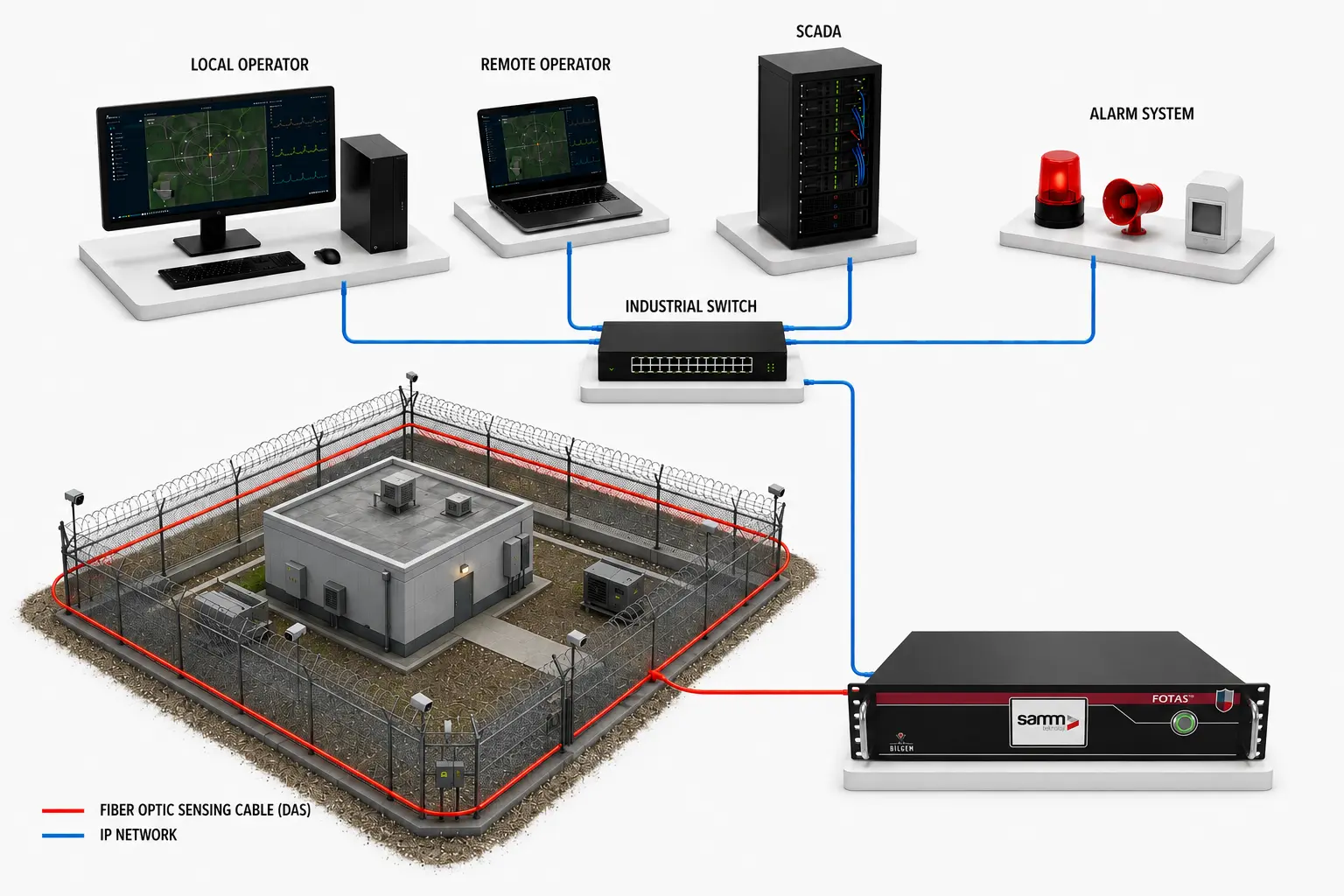
FOTAS DAS converts a suitable optical fiber into a continuous acoustic and vibration sensor. The interrogator sends laser pulses through the fiber and analyzes Rayleigh-based coherent backscatter to detect disturbances along the sensing route.
Fiber may be mounted directly on a perimeter fence, buried as a covert detection zone or installed along a protected corridor. Hybrid layouts combine these methods where the site contains several boundary types.
Analytics classify patterns associated with human activity, vehicles, digging and excavation while filtering environmental effects such as wind, rain and wildlife.
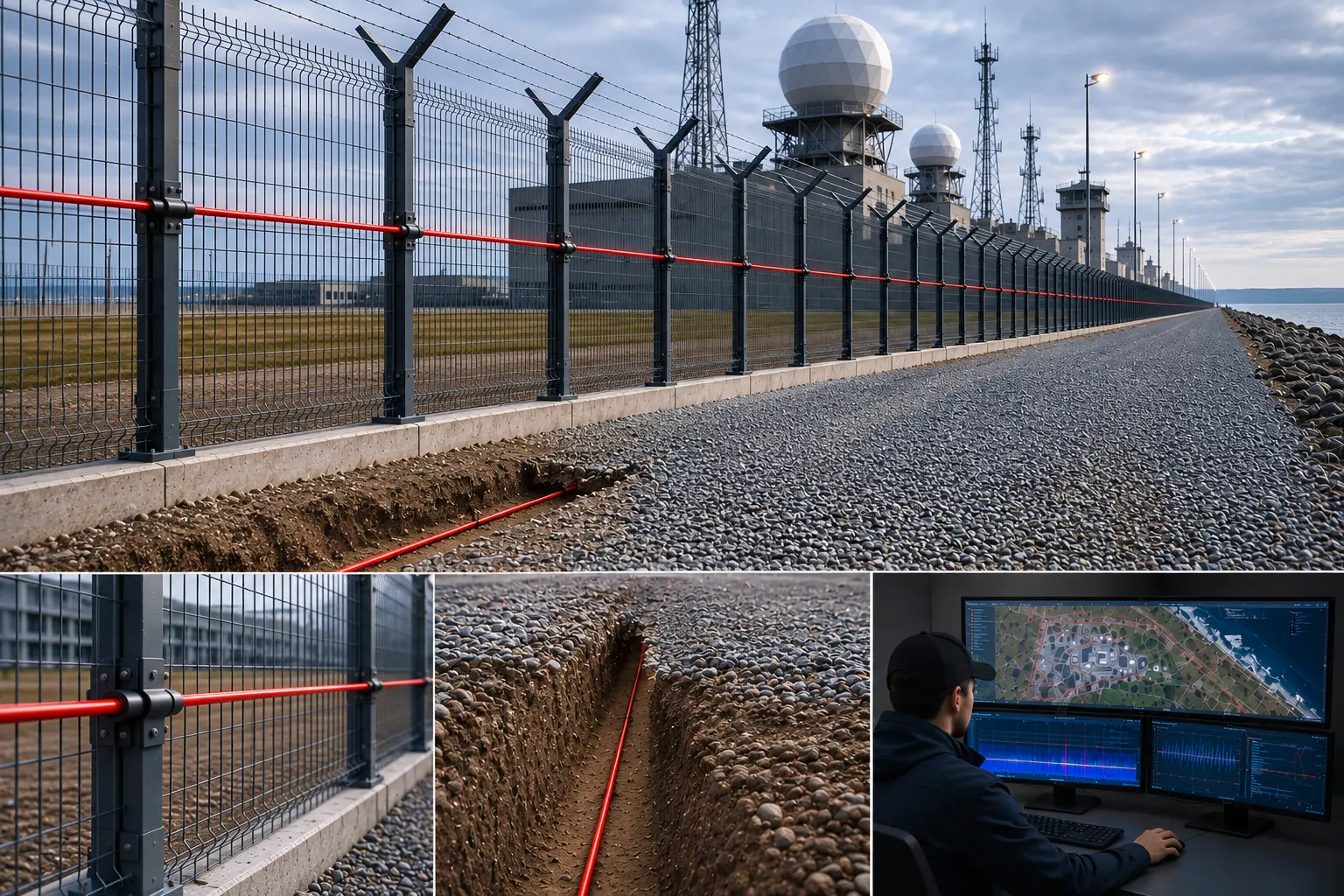
Detects and locates physical activity along the protected boundary or infrastructure route.
Support visual verification, target observation and wider-area tracking after an event is detected.
Manages authorized entry through gates, doors and controlled access points.
DAS does not replace CCTV, radar or access control. It adds continuous detection and event location along areas that may otherwise depend on isolated sensors or manual observation.
Distributed sensing becomes particularly valuable where several asset types and risk environments share one site.
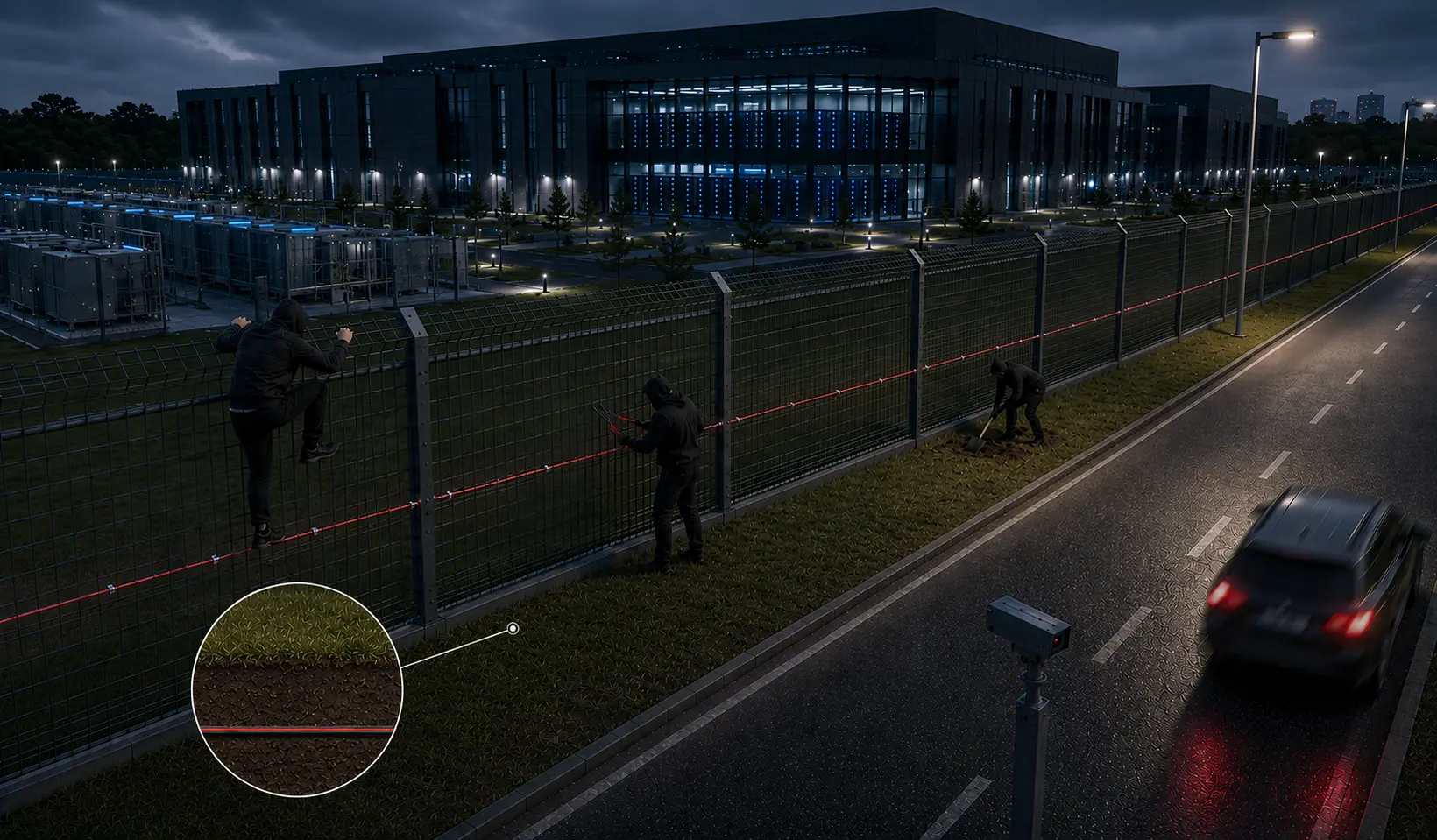
DAS can protect remote perimeters, restricted approaches, and monitor activity around vital underground infrastructure routes efficiently.
DAS supports perimeter and cable-route security to prevent unauthorized access, digging, and vandalism near critical utility assets.
Fence-mounted and buried DAS zones provide seamless detection around selected boundaries and critical internal approach routes.
A transport hub, utility site and secure government facility require different sensing routes, alarm classes, integration points and response procedures.
DAS control units are installed in control rooms, security offices, equipment buildings or protected field shelters.
Monitoring data can connect to CCTV, access control, GIS, command-and-control, SCADA, BMS and emergency response platforms.
The sensing fiber is passive, requires no electrical power along the monitored route and is immune to electromagnetic interference.
Interrogators, servers, network interfaces, power supplies and enclosures still require electrical power and appropriate environmental, cybersecurity and electrical protection.
Talk to our engineering team about a FOTAS DAS configuration for secure facilities, utilities, transport hubs, underground infrastructure and critical operational assets.