


Underground Fire Risk
Abnormal temperature rise and fire development in tunnels, shafts and difficult-to-access underground areas.

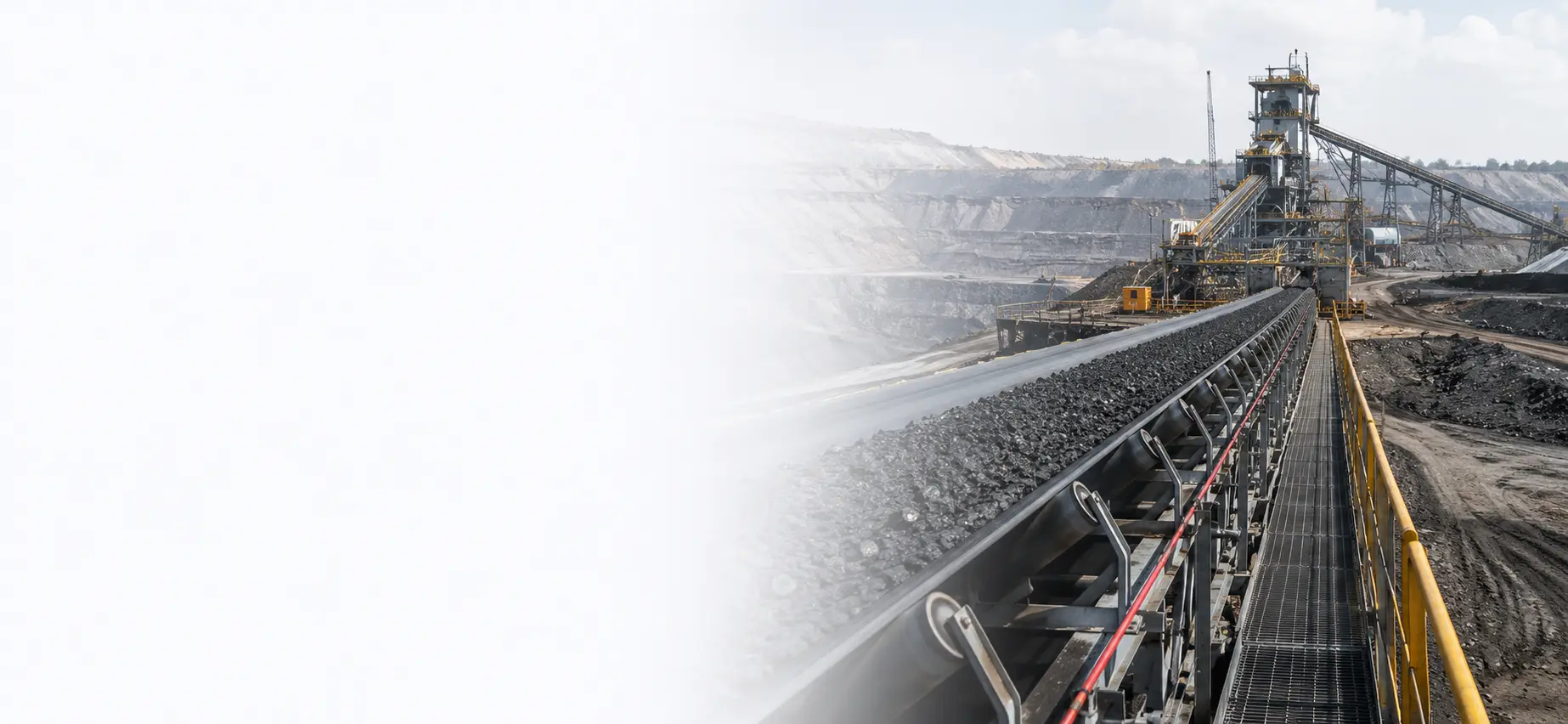
Fiber Optic Monitoring for Underground Mines, Conveyors, Processing Plants and Critical Assets
Explore Mining MonitoringA mine does not operate as a single environment. Underground tunnels, open-pit areas, processing plants, conveyor routes and stockpiles each create different monitoring conditions.
What they share is limited access, harsh operating conditions and the need to locate developing problems before they interrupt production.
FOTAS provides Distributed Temperature Sensing (DTS) and Distributed Acoustic Sensing (DAS) solutions for mining infrastructure.
DTS measures temperature continuously along the sensing fiber. DAS detects acoustic and vibration activity around the cable. Both technologies integrate with mine control, safety, maintenance and security platforms.
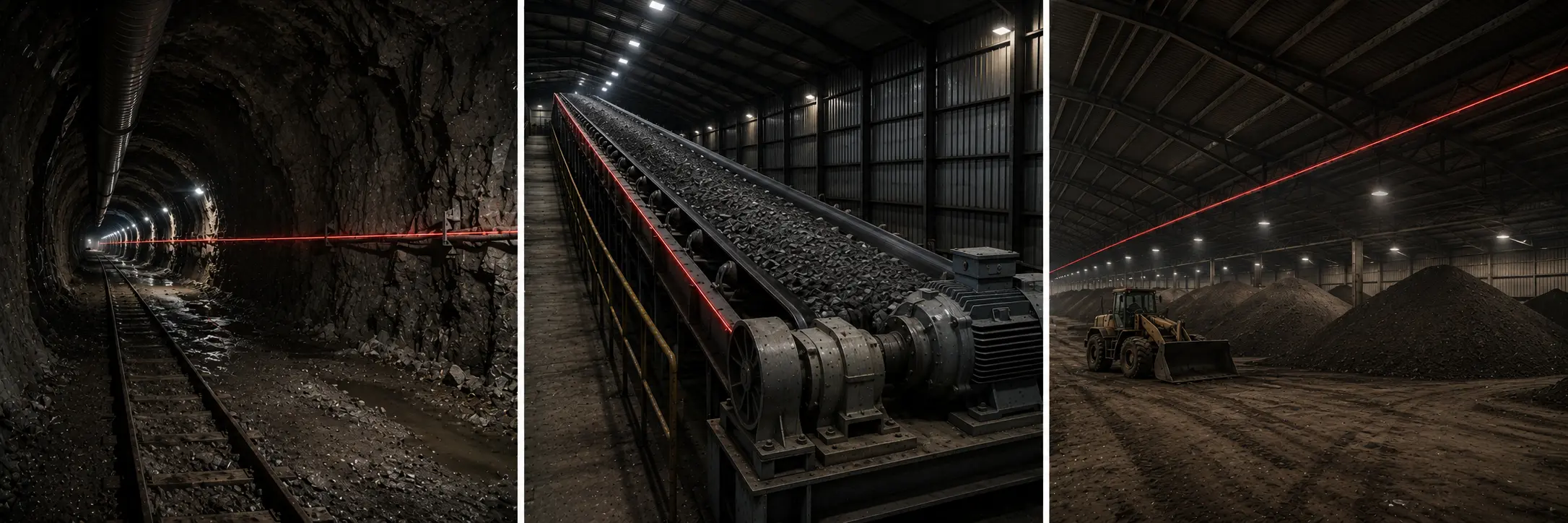
Monitoring equipment in a mine must continue working around dust, moisture, vibration, material movement and extreme temperature changes. Long tunnels, shafts, conveyors and remote electrical routes also make manual inspection difficult.
Abnormal temperature rise and fire development in tunnels, shafts and difficult-to-access underground areas.
Thermal faults affecting idlers, bearings, motors, drive systems and friction points along conveyor routes.
Localized heating at power cables, joints, terminations, substations and high-load electrical equipment.
Heat generation caused by belt movement, material buildup and mechanical contact with conveyor structures.
Internal temperature development in coal, ore and other bulk materials before surface signs become visible.
Intrusion, excavation and physical interference near communication, power and utility infrastructure.
Distributed thermal monitoring along conveyor systems, underground tunnels and critical mining routes.
FOTAS DTS uses optical fiber as a continuous linear temperature sensor. The control unit sends laser pulses through the fiber and analyzes Raman backscatter to calculate temperature along the route.
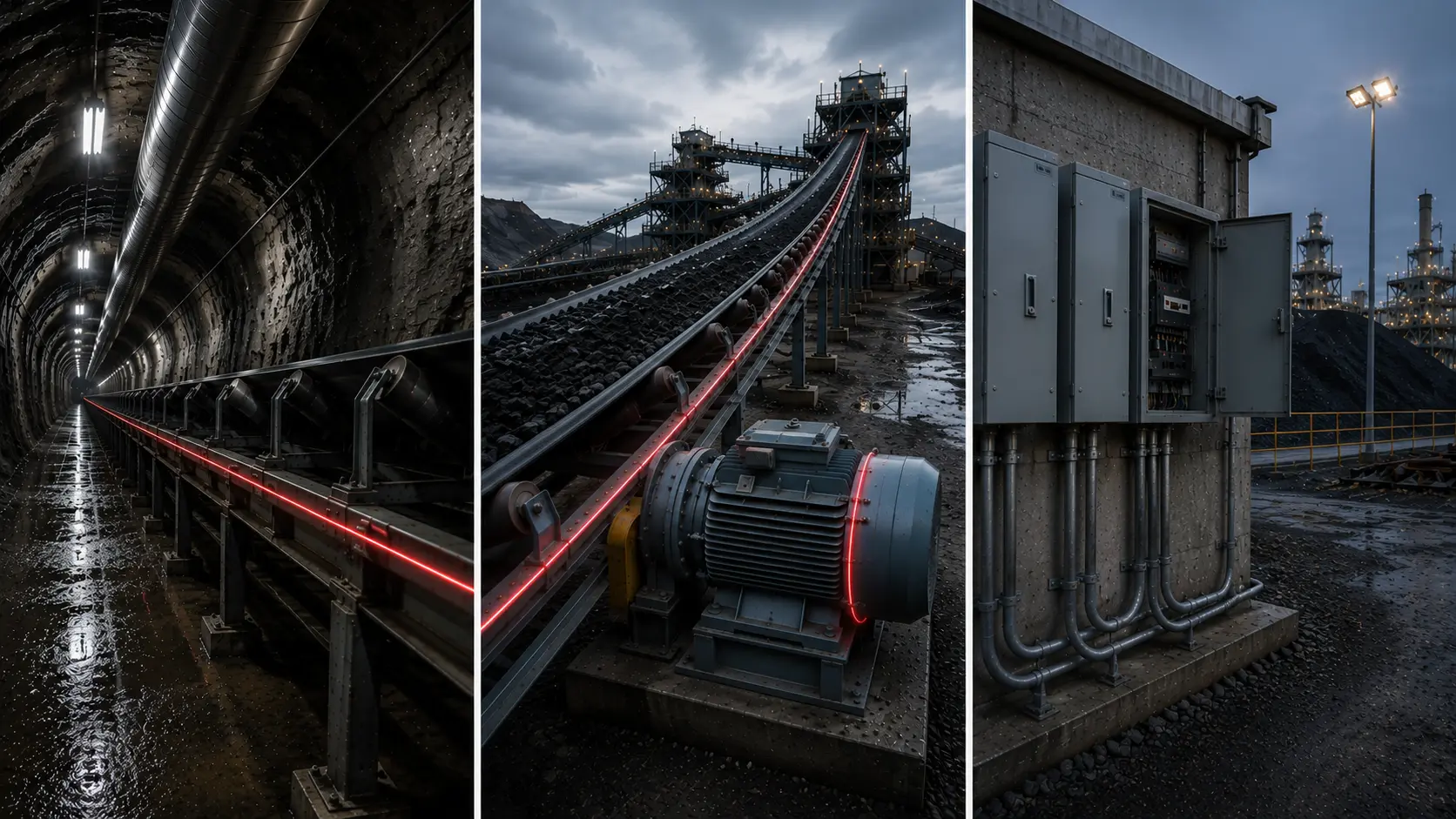
On conveyor systems, the sensing cable follows the belt structure and selected mechanical risk points. The resulting temperature profile reveals overheating idlers, bearings, motors and friction zones.
It also helps identify thermal effects caused by belt misalignment or material buildup. Alarm zones can correspond to individual conveyor sections, allowing the monitoring system to identify the affected area.
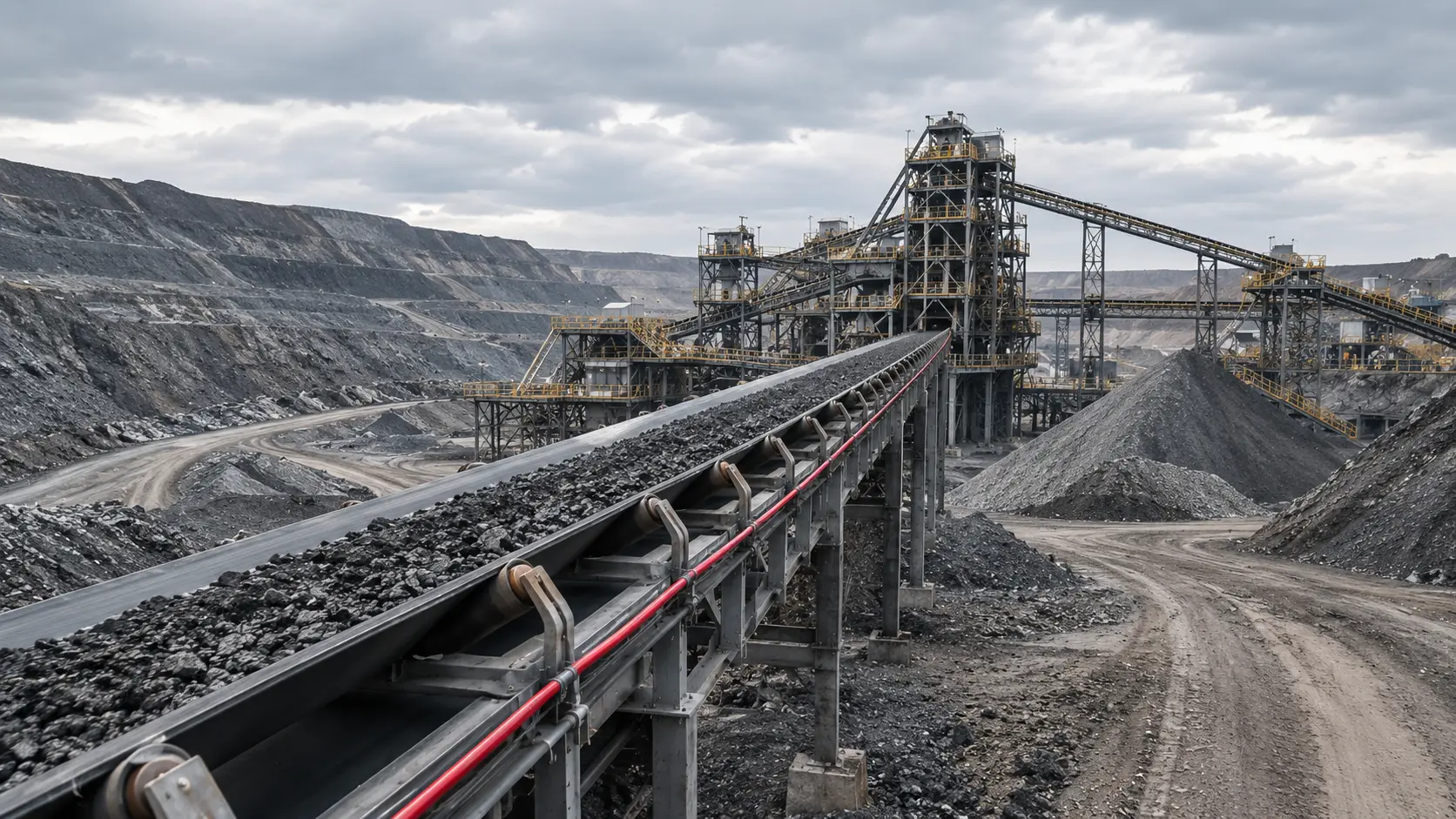
Temperature data supports fire safety, asset protection and maintenance across electrical, mechanical and storage areas.
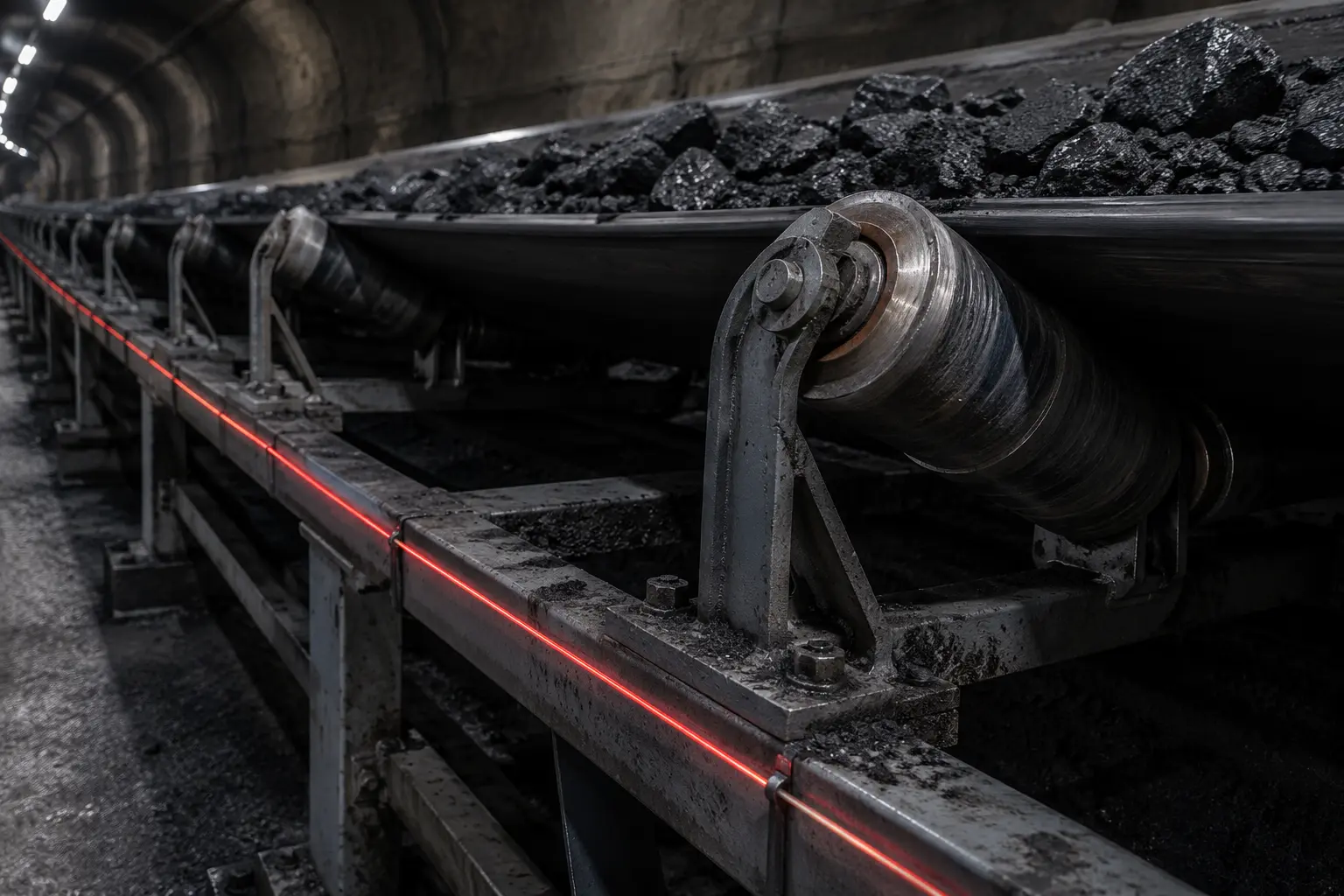
DTS monitors power cable routes, joints and terminations for localized heating and abnormal operating conditions.
Selected thermal risk points may reveal lubrication failure, mechanical friction or abnormal electrical loading before a larger fault develops.
Fiber installed within or around storage zones provides temperature information and helps locate internal hot areas in coal, ore and other bulk materials.
Temperature data may support tailings dam and embankment monitoring where thermal variations relate to seepage or internal movement. Results must be interpreted alongside geotechnical instruments, inspections and site-specific engineering analysis.
Distributed acoustic and vibration monitoring for mine boundaries and critical external infrastructure.
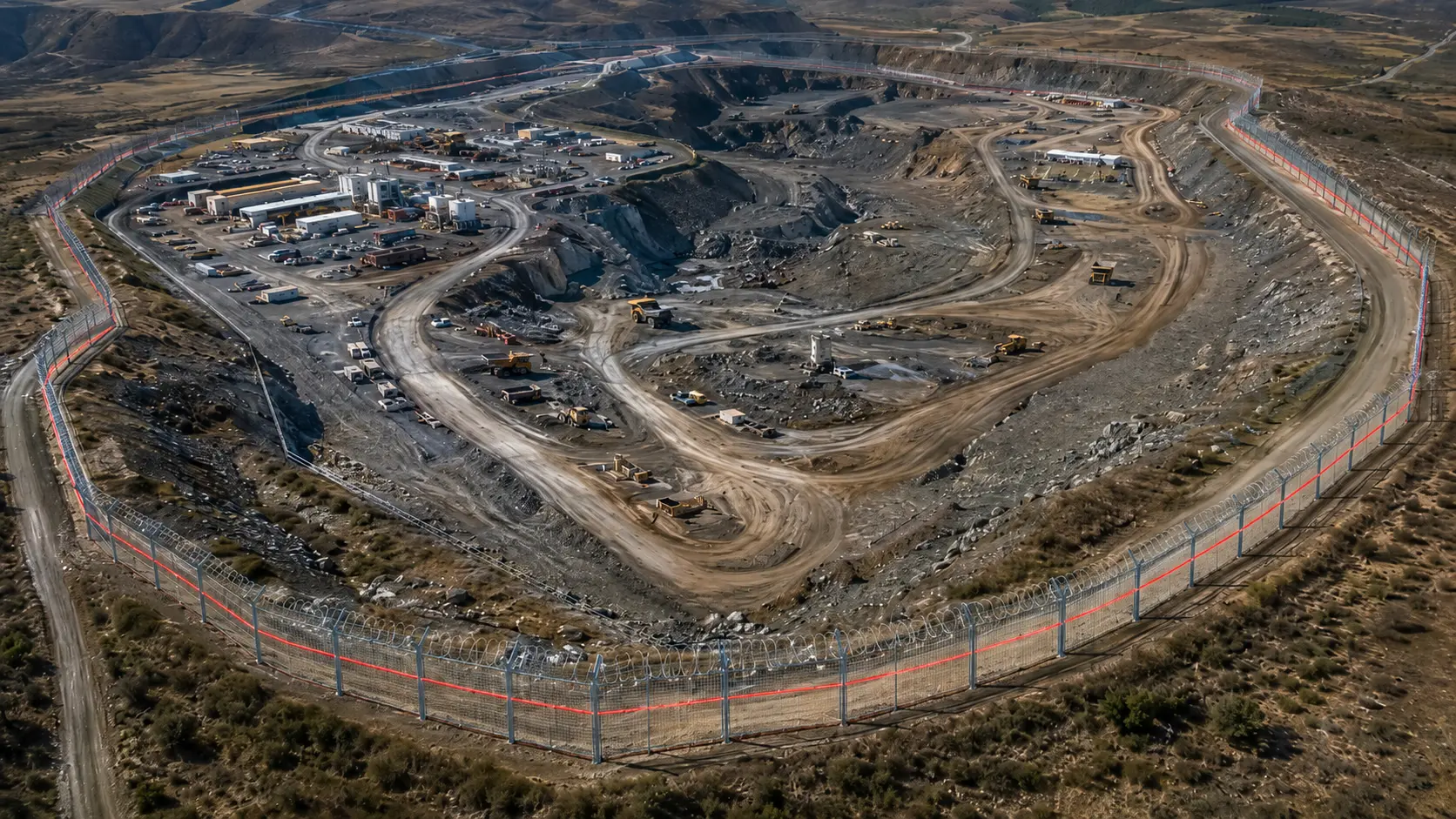
FOTAS DAS converts optical fiber into a distributed acoustic and vibration sensor. Fence-mounted, buried or hybrid installations support perimeter security and the protection of communication, power and utility routes.
AI-based analytics classify patterns such as walking, vehicle movement, digging, climbing and fence cutting. Environmental filtering helps reduce nuisance alarms.
Event location data directs security teams, cameras or patrols toward the affected infrastructure section.
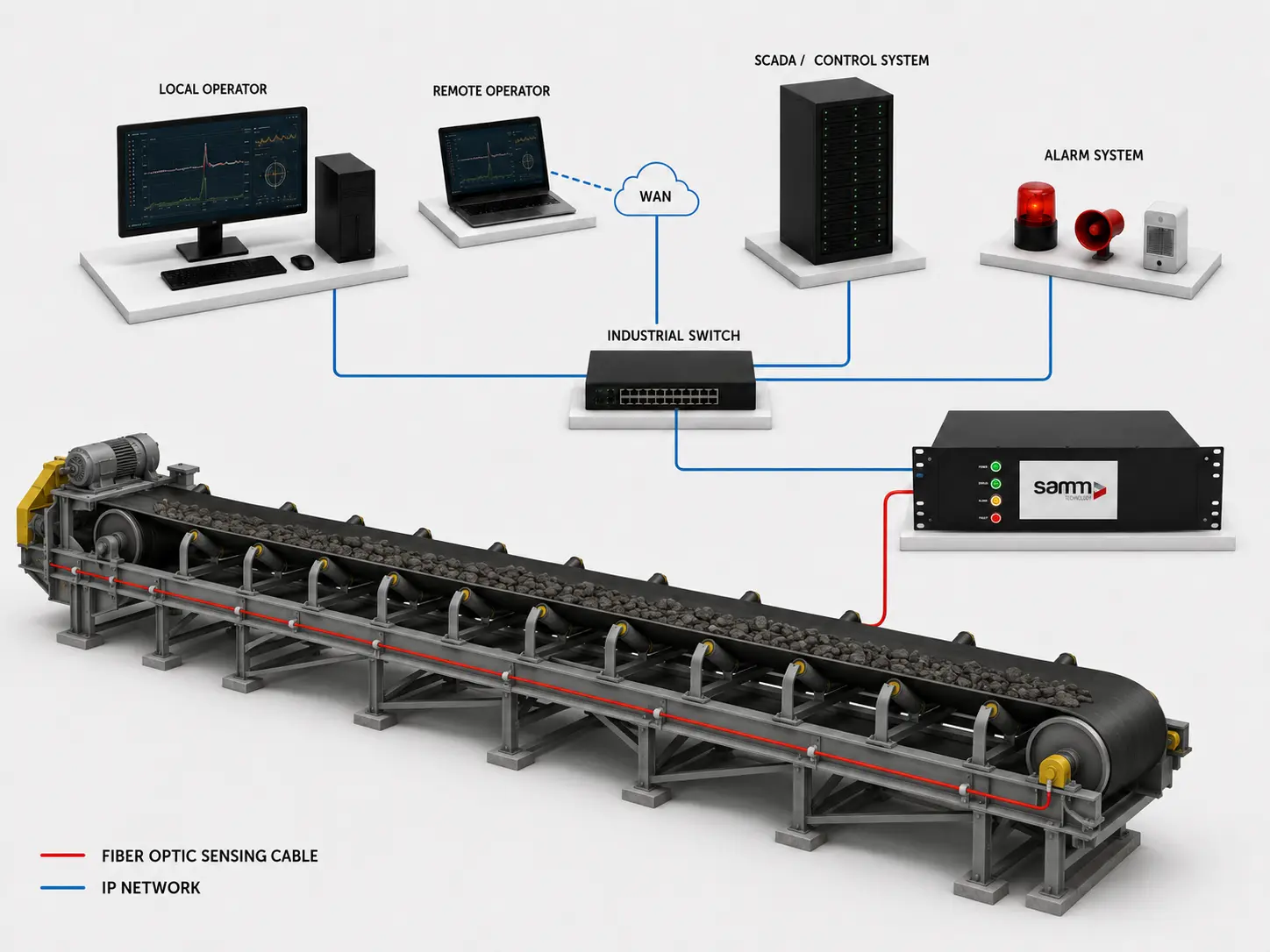
DTS and DAS control units are installed in control rooms or protected enclosures. Monitoring data connects to SCADA, mine control, conveyor protection, fire suppression and asset management systems.
Depending on the project, alarms may trigger conveyor shutdown, ventilation control or operator notification.
The sensing fiber requires no electrical power along the monitored route and is immune to electromagnetic interference. The cable itself introduces no electrical ignition source beside conveyors, cables or combustible materials.
The complete installation must still be designed for the relevant hazardous-area classification. Interrogators, power supplies, connection equipment and enclosures require appropriate placement and certification where Ex-rated equipment is necessary.
System performance depends on how the sensing cable is selected, routed and protected within the mining environment.
Talk to our engineering team about a FOTAS DTS or DAS configuration for underground mines, conveyors, processing plants and secure infrastructure routes.